---
title: [CM] [SIT] [E3] [PB] [CS] [2] During-Crisis for Closure of Campus
description: [CM] [SIT] [E3] [PB] [CS] [2] During-Crisis for Closure of Campus
image: https://blog.bcm-institute.org/hubfs/CM%20Playbook%20for%20SIT%20Graphic%20Folder/CM%20Playbook%20Closure%20of%20Campus%20Morepost/%5BCM%5D%20%5BSIT%5D%20%5BPB%5D%20%5BCS%5D%20%5B2%5D%20During-crisis.jpg
---
.
[](http://www.bcm-institute.org/)
- [Home](https://www.bcm-institute.org/)
- [About Us](https://www.bcm-institute.org/about-us-3/)
- [A President’s Perspective](https://www.bcm-institute.org/about-us/a-presidents-perspective/)
- [Our History](https://www.bcm-institute.org/about-us/our-history/)
- [Our Advisory Council](https://www.bcm-institute.org/about-us/our-advisory-council/)
- [Customers’ Testimonials](https://www.bcm-institute.org/about-us/customers-testimonials/)
- [Credential Verification](https://www.bcm-institute.org/about-us/credential-verification/)
- [Courses](https://blog.bcm-institute.org/blog/course-fees-for-blended-learning-courses-master-catalog)
- [ISO 22301 Business Continuity Management System Audit](https://blog.bcm-institute.org/audit/business-continuity-management-audit-courses)
- [ISO 22301 Business Continuity Management](https://blog.bcm-institute.org/bcm/business-continuity-management-courses)
- [Crisis Communication](https://blog.bcm-institute.org/crisis-communication/crisis-communication-courses)
- [Crisis Management](https://blog.bcm-institute.org/en/crisis-management/courses)
- [IT Disaster Recovery](https://blog.bcm-institute.org/it-disaster-recovery/courses)
- [Operational Resilience](https://blog.bcm-institute.org/operational-resilience/courses)
- [Operational Resilience Audit](https://blog.bcm-institute.org/operational-resilience-audit/courses)
- [Certification](https://blog.bcm-institute.org/certification/types-of-certifications-offered)
- [ISO 22301 BCMS Audit Certification](https://blog.bcm-institute.org/certification/business-continuity-management-audit-certification)
- [ISO22301 Business Continuity Management Certification](https://blog.bcm-institute.org/bcm/business-continuity-management-certification)
- [Crisis Communication Certification](https://blog.bcm-institute.org/crisis-communication/crisis-communication-certification)
- [Crisis Management Certification](https://blog.bcm-institute.org/en/crisis-management/crisis-management-certification)
- [IT Disaster Recovery Planning Certification](https://blog.bcm-institute.org/it-disaster-recovery/it-disaster-recovery-certification)
- [Operational Resilience Certification](https://blog.bcm-institute.org/operational-resilience/operational-resilience-certification)
- [Operational Resilience Audit Certification](https://blog.bcm-institute.org/operational-resilience-audit)
- [Seminars](https://blog.bcm-institute.org/meet-the-expert/mte-webinar-mainpage)
- [Store](https://www.bcm-institute.org/store-2/)
- [Contact Us](http://www.bcm-institute.org/about-us/contact-us/)
-
-
##### Crisis-Ready Campus: A Strategic Framework for Crisis Management at Singapore Institute of Technology
# \[CM\] \[SIT\] \[E3\] \[PB\] \[CS\] \[2\] During-Crisis for Closure of Campus
[![\[CM\] \[SIT\] Title Banner](https://no-cache.hubspot.com/cta/default/3893111/b3ec5c4a-5e8e-459d-bbf0-a19420a52cb5.png)](https://cta-redirect.hubspot.com/cta/redirect/3893111/b3ec5c4a-5e8e-459d-bbf0-a19420a52cb5)
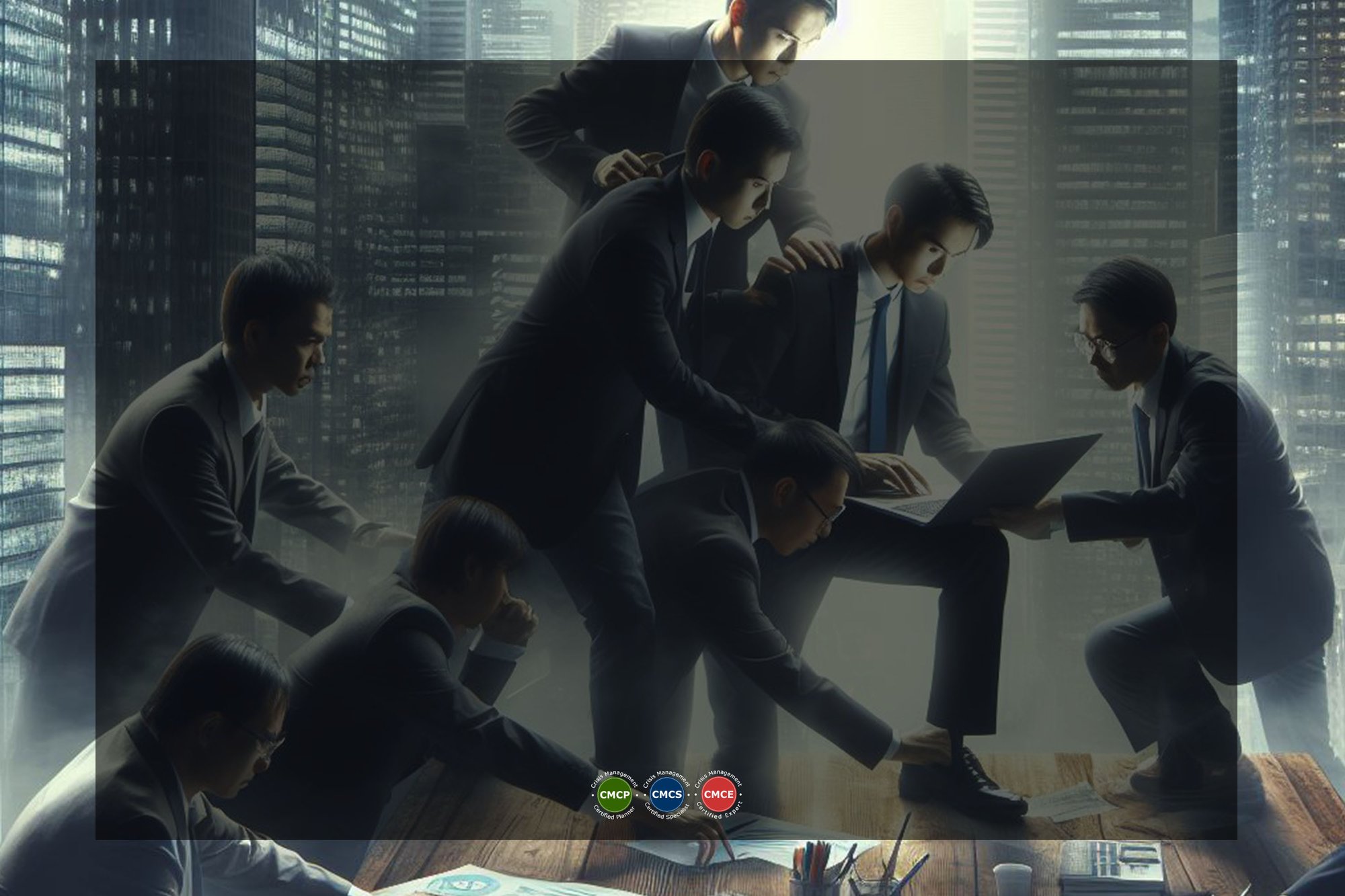
The “During the Crisis” phase represents the active response period of the Campus Closure Crisis Scenario at the Singapore Institute of Technology, during which planned procedures and crisis management capabilities are executed under time-sensitive, high-pressure conditions.
During this phase, SIT must rapidly assess the evolving situation, activate crisis governance structures, protect students and staff, coordinate with emergency responders and authorities, and maintain timely communications with stakeholders.
Decisions made during this critical period can significantly influence the safety of individuals, continuity of academic activities, institutional reputation, and the speed of eventual recovery.
Effective crisis response requires clear leadership, coordinated actions, accurate information, and disciplined execution across multiple teams.
The following steps provide SIT with a structured operational guide to manage campus closure incidents while maintaining safety, continuity, and stakeholder confidence.
[](https://cta-redirect.hubspot.com/cta/redirect/3893111/534413f5-32e8-48ee-8dcf-fb5d150e7918)
[Moh Heng Goh](https://blog.bcm-institute.org/en/ebook-cm/author/moh-heng-goh) May 21, 2026
###### Crisis Management Certified Planner-Specialist-Expert
### Campus Closure Crisis Scenario – Singapore Institute of Technology (SIT)
[![\[CM\] \[SIT\] Legal Disclaimer Banner](https://no-cache.hubspot.com/cta/default/3893111/7cd96343-be69-4196-84d6-73f1153f1d2f.png)](https://cta-redirect.hubspot.com/cta/redirect/3893111/7cd96343-be69-4196-84d6-73f1153f1d2f)This chapter details specific actions to take before, during, and after a Campus Closure Crisis Scenario by the Singapore Institute of Technology (SIT)
| This playbook is a training aid for Module 2 participants in the CM-300/5000 Implementer/Expert Implementer Course to attempt the CM plan development assignment. | [](https://cta-redirect.hubspot.com/cta/redirect/3893111/53c21098-45b7-4e00-87e1-f8e773869894) |
| --- | --- |
### **[![\[CM\] \[SIT\] Title Banner](https://no-cache.hubspot.com/cta/default/3893111/b3ec5c4a-5e8e-459d-bbf0-a19420a52cb5.png)](https://cta-redirect.hubspot.com/cta/redirect/3893111/b3ec5c4a-5e8e-459d-bbf0-a19420a52cb5)[](https://cta-redirect.hubspot.com/cta/redirect/3893111/534413f5-32e8-48ee-8dcf-fb5d150e7918)Detailed Steps During the Crisis**
#### Response, Recovery and Resume
#### Introduction
[](https://cta-redirect.hubspot.com/cta/redirect/3893111/ec1fb979-ed71-4549-bf60-95555b015f41)[](https://cta-redirect.hubspot.com/cta/redirect/3893111/3f1a2376-0287-4409-8d00-16ff044d2cb4)The “During the Crisis” phase represents the active response period of the Campus Closure Crisis Scenario at the Singapore Institute of Technology, during which planned procedures and crisis management capabilities are executed under time-sensitive, high-pressure conditions.
During this phase, SIT must rapidly assess the evolving situation, activate crisis governance structures, protect students and staff, coordinate with emergency responders and authorities, and maintain timely communications with stakeholders.
Decisions made during this critical period can significantly influence the safety of individuals, continuity of academic activities, institutional reputation, and the speed of eventual recovery.
Effective crisis response requires clear leadership, coordinated actions, accurate information, and disciplined execution across multiple teams.
The following steps provide SIT with a structured operational guide to manage campus closure incidents while maintaining safety, continuity, and stakeholder confidence.
#### **During the Crisis Phase Objective**
Protect lives, stabilise the situation, maintain critical academic and operational services, coordinate with authorities, provide timely communications, and manage the orderly closure of SIT campus operations.
During the crisis phase, SIT must execute a coordinated response that prioritises safety, accountability, continuity of education, and stakeholder confidence while minimising operational and reputational impacts.
#### **Step 1: Detect Incident and Conduct Initial Situation Assessment**
##### **Objective**
Rapidly understand the nature and severity of the incident and determine whether campus closure procedures should be activated.
#### **Actions**
##### Incident reporting sources may include:
- Security personnel
- Students
- Faculty
- Facilities teams
- IT monitoring systems
- Government advisories
- Emergency services
- External agencies
##### Assess
- Type of incident
- Immediate threat level
- Location of impact
- Number of people affected
- Casualties or injuries
- Impact on teaching activities
- Impact on campus accessibility
- Potential escalation
##### Classify incident severity
| Level | Description |
| --- | --- |
| Level 1 | Localised disruption |
| Level 2 | Significant campus impact |
| Level 3 | Major crisis requiring campus closure |
##### **Deliverables**
- Initial Incident Report
- Situation Assessment Report
- Crisis severity classification
#### **Step 2: Activate Crisis Management Structure**
##### **Objective**
Mobilise SIT leadership and establish command and control.
#### **Actions**
##### Crisis Management Team (CMT) shall:
- Activate crisis management procedures
- Notify crisis team members
- Activate Emergency Operations Centre (EOC)
- Assign roles and responsibilities
- Initiate incident logging
- Establish communication channels
- Determine meeting frequency
##### Activate supporting teams:
- Incident Management Team
- Communications Team
- Student Support Team
- Facilities Team
- IT Team
- Human Resources Team
##### **Deliverables**
- CMT activation notice
- Crisis team deployment roster
- Incident action log
#### **Step 3: Determine Campus Closure Requirements**
##### **Objective**
Assess whether partial or full campus closure is required.
#### **Actions**
##### Evaluate:
- Safety risks
- Facility accessibility
- Infrastructure condition
- Security risks
- Public health concerns
- Technology availability
##### Determine:
- Full campus closure
- Partial closure
- Building-specific closure
- Temporary closure
- Shelter-in-place arrangements
##### Coordinate decisions with:
- University leadership
- Facilities management
- Security teams
- Emergency agencies
- Government authorities
##### **Deliverables**
- Campus closure decision notice
- Closure implementation order
#### **Step 4: Initiate Immediate Safety Measures**
##### **Objective**
Protect students, staff, visitors, and contractors.
#### **Actions**
##### Depending on the scenario:
##### Possible protective actions:
**Evacuation**
- Initiate evacuation procedures
- Guide movement to assembly areas
- Deploy wardens
- Restrict entry
**Lockdown**
- Secure facilities
- Restrict movement
- Issue protective instructions
**Shelter-in-Place**
- Direct occupants to safe areas
- Control access
##### **Deliverables**
- Safety action implementation log
#### **Step 5: Account for Students, Staff, and Visitors**
##### **Objective**
Determine the location and safety status of all affected individuals.
#### **Actions**
##### Conduct accountability processes
- Verify class attendance
- Review access control records
- Contact faculty representatives
- Verify assembly area attendance
- Identify missing persons
- Activate search procedures if necessary
##### Special populations
- International students
- exchange students
- students with disabilities
- visitors
- contractors
- students on attachment or internships
##### **Deliverables**
- Accountability status report
- Missing persons list
#### **Step 6: Coordinate Emergency Response and Casualty Management**
##### **Objective**
Support emergency response and provide care for affected individuals.
#### **Actions**
##### Coordinate with:
- Singapore Civil Defence Force
- Singapore Police Force
- Hospitals
- Medical responders
##### Activities
- Provide access routes
- Support rescue operations
- Track injured individuals
- Establish casualty collection points
- Maintain casualty records
##### For severe incidents
- Establish Family Assistance Centre
- Deploy liaison officers
##### **Deliverables**
- Casualty status report
- Emergency coordination log
#### **Step 7: Activate Stakeholder Communications**
##### **Objective**
Provide timely, accurate, and coordinated communications.
##### **Internal communications**
Notify:
- Students
- Faculty
- Staff
- Researchers
- Student leaders
Information to communicate:
- Nature of incident
- Campus status
- Safety instructions
- Closure duration
- Academic arrangements
##### **External communications**
Notify:
- Parents
- Next of kin
- Authorities
- Partner institutions
- Vendors
- Media
Communication channels:
- SMS
- Email
- SIT portal
- Social media
- emergency hotlines
- virtual briefings
##### **Communication principles**
- Timely
- Accurate
- Consistent
- Empathetic
- Approved messaging only
##### **Deliverables**
- Communication logs
- Stakeholder notification records
#### **Step 8: Manage Next-of-Kin and Family Communications**
##### **Objective**
Provide sensitive, coordinated communication to affected families.
#### **Actions**
Establish:
- Family Assistance Team
- Dedicated hotline
- Family Information Centre
- Liaison officers
Guidelines:
- Confirm facts before notification
- Communicate through designated personnel
- Avoid speculation
- Maintain privacy
Information may include:
- Injury status
- Hospital locations
- support arrangements
- transport assistance
##### **Deliverables**
- Family liaison records
- Next-of-kin communication log
#### **Step 9: Activate Academic Continuity Measures**
##### **Objective**
Maintain continuity of teaching and learning.
##### **Actions**
Implement:
- Temporary online learning
- Alternative class arrangements
- Revised examination schedules
- Virtual student services
Review:
- laboratory access requirements
- internships
- practical sessions
- field activities
Communicate:
- revised schedules
- online learning instructions
- assessment changes
##### **Deliverables**
- Academic continuity activation notice
- Revised academic schedules
#### **Step 10: Manage Technology and Infrastructure Continuity**
##### **Objective**
Maintain critical operational systems.
##### **IT Teams to monitor:**
- Learning systems
- student portals
- network availability
- cybersecurity risks
- communication systems
##### Facilities Teams
- assess infrastructure damage
- maintain utilities
- coordinate repairs
##### **Deliverables**
- IT operational status reports
- Facilities situation reports
#### **Step 11: Conduct Media and Reputation Management**
##### **Objective**
Protect SIT’s reputation and maintain public confidence.
#### **Actions**
Communications Team to:
- Issue approved media statements
- Monitor social media
- Track misinformation
- Conduct media briefings
- Prepare leadership talking points
Only authorised spokespersons may speak publicly.
Monitor:
- public sentiment
- student concerns
- rumours
- misinformation trends
##### **Deliverables**
- Media monitoring reports
- Press releases
- Reputation status updates
#### **Step 12: Conduct Ongoing Monitoring and Crisis Review**
##### **Objective**
Maintain situational awareness and adjust response activities.
##### **Crisis Management Team to continuously review:**
- Safety conditions
- Casualty updates
- operational impacts
- stakeholder concerns
- resource availability
- academic impacts
Review cycle:
- Hourly (acute phase)
- Daily (stabilisation phase)
Update:
- Incident Action Plans
- Situation reports
- recovery considerations
##### **Deliverables**
- Situation reports
- Incident action updates
- Crisis dashboard
#### **End-State for During Crisis Phase**
The response phase concludes when SIT has:
- Protected students, staff, and visitors
- Stabilised the incident
- Accounted for affected individuals
- Activated communications and stakeholder support
- Transitioned academic activities where necessary
- Coordinated with emergency authorities
- Established conditions for recovery transition
This ensures SIT can move systematically from crisis response to restoration and recovery while preserving safety, continuity, and institutional resilience.
[](https://cta-redirect.hubspot.com/cta/redirect/3893111/5404effa-ac11-44ba-a782-31a19cc7ef69)
Managing a campus closure crisis requires SIT to respond decisively, communicate effectively, and coordinate actions across internal teams and external stakeholders under rapidly changing conditions.
The “During the Crisis” phase is not solely about responding to the immediate incident; it is also about stabilising operations, protecting the university community, preserving trust, and laying the foundation for recovery.
Through disciplined execution of crisis management procedures, SIT can minimise disruption, support affected individuals, maintain essential academic functions, and ensure a coordinated institutional response.
By following these structured response steps, SIT strengthens its ability to manage uncertainty and demonstrates resilience during one of the most critical stages of the crisis lifecycle
*Click the icon for the crisis management playbook for the three stages: Pre-, During-, and Post-crisis for the Closure of Campus*
*[![\[CM\] \[SIT\] Title Banner](https://no-cache.hubspot.com/cta/default/3893111/b3ec5c4a-5e8e-459d-bbf0-a19420a52cb5.png)](https://cta-redirect.hubspot.com/cta/redirect/3893111/b3ec5c4a-5e8e-459d-bbf0-a19420a52cb5)*
| **Introduction** | **Pre-Crisis** | **During Crisis** | **Post-Crisis** |
| --- | --- | --- | --- |
| **Closure of Campus** | **Preparedness and Prevention/ Reduction** | **Response, Recovery and Resume** | **Recovery, Restore and Return Home** |
| [](https://cta-redirect.hubspot.com/cta/redirect/3893111/bf4f67a3-0800-4cad-b4f4-128650c23906) | [](https://cta-redirect.hubspot.com/cta/redirect/3893111/066e33b8-a8e7-4586-9eb0-8311f5ace6c1) | [](https://cta-redirect.hubspot.com/cta/redirect/3893111/ec1fb979-ed71-4549-bf60-95555b015f41) | [](https://cta-redirect.hubspot.com/cta/redirect/3893111/df59d570-4e1f-4814-86de-5a4a59a6881e) |
#### Reference Guide
[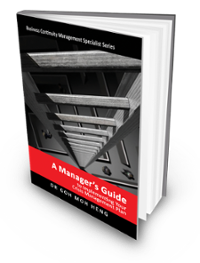](https://cta-redirect.hubspot.com/cta/redirect/3893111/2bd34f48-92c6-4ab1-8477-5dcde4d3546e)Goh, M. H. (2016). **A Manager’s Guide to Implement Your Crisis Management Plan**. Business Continuity Management Specialist Series (1st ed., p. 192). Singapore: GMH Pte Ltd.
#### More Information About Crisis Management Blended/ Hybrid Learning Courses
To learn more about the course and schedule, click the buttons below for the CM-300 Crisis Management Implementer \[CM-3\] and the CM-5000 Crisis Management Expert Implementer \[CM-5\].
| [](https://cta-redirect.hubspot.com/cta/redirect/3893111/5ffecd2d-8000-4805-b5e3-e9ead2e259cc) | [](https://cta-redirect.hubspot.com/cta/redirect/3893111/c3546220-6c76-4a10-8c76-4040b94e09e5) | [](https://cta-redirect.hubspot.com/cta/redirect/3893111/03294547-1df3-435c-9243-971c3d9bb6ce) |
| --- | --- | --- |
| [](https://cta-redirect.hubspot.com/cta/redirect/3893111/b29594fe-d44a-4ff8-8160-03f7ce454385) | [](https://cta-redirect.hubspot.com/cta/redirect/3893111/dd120e7f-9fe2-49ed-ad24-489b81c06739) | [![\[BL-CM\] \[5\] Register](https://no-cache.hubspot.com/cta/default/3893111/82024308-16f4-4491-98be-818a882c6286.png)](https://cta-redirect.hubspot.com/cta/redirect/3893111/82024308-16f4-4491-98be-818a882c6286) |
| [](https://cta-redirect.hubspot.com/cta/redirect/3893111/c8aaf76b-4c0b-402a-ad12-c8aff24eb911) | Please feel free to send us a note if you have any questions. [![Email to Sales Team \[BCM Institute\]](https://no-cache.hubspot.com/cta/default/3893111/3c53daeb-2836-4843-b0e0-645baee2ab9e.png)](https://cta-redirect.hubspot.com/cta/redirect/3893111/3c53daeb-2836-4843-b0e0-645baee2ab9e) | [](https://cta-redirect.hubspot.com/cta/redirect/3893111/30bcbbbf-c8ea-48d8-8643-da2638f3f0f8) |
| [](https://cta-redirect.hubspot.com/cta/redirect/3893111/83d00c12-c51c-4476-9902-69f9b7667a91) | [](https://cta-redirect.hubspot.com/cta/redirect/3893111/672d2949-6233-4b26-ad42-ae0dd0a1a3ac) | [](https://cta-redirect.hubspot.com/cta/redirect/3893111/3ca6f50d-a3c5-41b8-8da2-26feb8a7613e) |
#### **Comments**
---

---

---
---


All rights reserved. Copyright 2026
```json
{
"@context" : "https://schema.org",
"@type" : "BlogPosting",
"author" : {
"@type" : "Person",
"name" : "Moh Heng Goh",
"url" : "https://blog.bcm-institute.org/en/ebook-cm/author/moh-heng-goh"
},
"dateModified" : "2026-06-29T13:17:19.268Z",
"datePublished" : "2026-05-21T07:20:01.000Z",
"headline" : "[CM] [SIT] [E3] [PB] [CS] [2] During-Crisis for Closure of Campus",
"mainEntityOfPage" : {
"@id" : "https://blog.bcm-institute.org/en/ebook-cm/cm-sit-e3-pb-cs-2-during-crisis-for-closure-of-campus",
"@type" : "WebPage"
},
"publisher" : {
"@type" : "Organization",
"logo" : {
"@type" : "ImageObject",
"url" : "https://blog.bcm-institute.org/hubfs/BCMI%20Logo.png"
},
"name" : "BCMI Pte Ltd"
}
}
```