
![[CM] [SIT] Legal Disclaimer Banner](https://no-cache.hubspot.com/cta/default/3893111/7cd96343-be69-4196-84d6-73f1153f1d2f.png) This chapter details specific actions to take before, during, and after a Mass Casualty Crisis Scenario for Student Overseas Trips by the Singapore Institute of Technology (SIT)
This chapter details specific actions to take before, during, and after a Mass Casualty Crisis Scenario for Student Overseas Trips by the Singapore Institute of Technology (SIT)
 This playbook is a training aid for Module 2 participants in the CM-300/5000 Implementer/Expert Implementer Course to attempt the CM plan development assignment.
Mass Casualty Crisis Scenario for Student Overseas Trips – Singapore Institute of Technology (SIT)
Note from the Author
This is an introductory chapter for the crisis scenario: Managing Mass Casualty Crisis Scenario for Student Overseas Trips.
The content provides the reader with background, planning assumptions, and considerations before developing the detailed steps to be taken pre-crisis, during crisis, and post-crisis.
When developing the detailed steps for the crisis management playbook, these steps are further broken down into three stages.
Click the icon for the crisis management playbook for the three stages: Pre-, During-, and Post-crisis for the Managing Mass Casualty Crisis Scenario for Student Overseas Trips
| Pre-Crisis | During Crisis | Post-Crisis |
| Preparedness and Prevention/Reduction | Response, Recovery and Resume | Recovery, Restore and Return Home |
![[CM] [SIT] [E1] [C9] Pre-Crisis - Risk Identification and Crisis Preparedness](https://no-cache.hubspot.com/cta/default/3893111/080ff992-67be-4fe7-8b42-2a820a87eeee.png) |
 |
 |
Introduction
 This playbook is designed to support SIT in preparing for, responding to, and recovering from a mass casualty event involving students participating in overseas programmes, educational visits, exchange programmes, industry attachment trips, field studies, or sanctioned travel within ASEAN countries.
SIT is an autonomous university with extensive industry-linked and global learning activities, making overseas student safety and crisis preparedness a critical institutional requirement.
The playbook aligns with principles from ISO 22361 Crisis Management and is structured into:
- Pre-Crisis (Preparedness and Prevention/Reduction)
- During Crisis (Response, Recovery and Resume)
- Post-Crisis (Recovery, Restore and Return Home)
Purpose of the Crisis Management Playbook
This playbook aims to:
- Protect the lives and welfare of students and staff
- Enable rapid crisis escalation and decision-making
- Coordinate SIT and Singapore authorities
- Manage communication with stakeholders and next-of-kin
- Preserve institutional reputation
- Ensure continuity of SIT operations
- Capture lessons learned and improve preparedness
Scope of Crisis
Scenario Type
Mass casualty incident involving SIT students participating in approved overseas travel
Mass casualty event:
- Multiple deaths
- Serious injuries
- Missing students
- Medical evacuation
- Hospitalisation
- Significant media attention
- Diplomatic implications
Potential ASEAN Student Mass Casualty Scenarios
The first stage of the playbook should identify credible "Severe but Plausible" crisis scenarios.
Transportation Incidents
|
Scenario |
Description |
Potential Impact |
|
Tour bus rollover |
Highway accidents during university trips |
Multiple injuries/fatalities |
|
Ferry sinking |
Island visits, marine transportation |
Missing persons, fatalities |
|
Air crash |
Domestic regional flights |
High fatality event |
|
Train derailment |
Cross-border travel |
Large-scale casualty |
|
Vehicle collision |
Multiple vehicle incident |
Injury and media crisis |
Natural Hazards
|
Scenario |
Description |
Impact |
|
Earthquake |
Indonesia, Philippines |
Structural collapse |
|
Tsunami |
Coastal locations |
Mass evacuation |
|
Typhoon |
Vietnam, Philippines |
Casualties and transport disruption |
|
Flash flood |
Thailand/Malaysia |
Missing students |
|
Volcanic eruption |
Indonesia |
Airspace closure and injuries |
Public Safety and Security
|
Scenario |
Description |
Impact |
|
Terror attack |
Tourist/public venue |
Casualties and trauma |
|
Civil unrest |
Political protests |
Student exposure |
|
Riots |
Local disturbances |
Physical injury |
|
Active shooter |
Public venues |
Fatalities |
|
Bomb incident |
Transport hubs |
Mass casualties |
Health and Medical Crisis
|
Scenario |
Description |
Impact |
|
Food poisoning |
Group meals |
Large student admissions |
|
Infectious disease outbreak |
Dengue, COVID-like event |
Quarantine |
|
Heat injuries |
Outdoor activities |
Hospitalisation |
|
Toxic exposure |
Industrial visits |
Severe illness |
|
Drug contamination |
Local product incident |
Multiple casualties |
Environmental / Infrastructure
|
Scenario |
Description |
Impact |
|
Hotel fire |
Student accommodation |
Fatalities |
|
Building collapse |
Campus/venue visits |
Trapped students |
|
Bridge collapse |
Excursion activities |
Severe injuries |
|
Crowd crush |
Festival/public event |
Mass injuries |
Adventure and Academic Activities
|
Scenario |
Description |
Impact |
|
Diving accident |
Marine programmes |
Fatality |
|
Mountain accident |
Trekking |
Search and rescue |
|
Industrial visit incident |
Manufacturing sites |
Chemical injuries |
|
Laboratory incident |
Overseas partner institution |
Exposure |
Impact Assessment on SIT
Operational Impacts
Student welfare operations
- Missing student tracking
- Emergency assistance
- Medical coordination
Academic disruption
- Cancellation of overseas programmes
- Student return arrangements
- Schedule delays
Administrative strain
- Crisis team activation
- Staff deployment
Financial impacts
- Medical costs
- evacuation costs
- insurance claims
Reputation Impacts
Potential concerns:
- "Did SIT conduct sufficient risk assessment?"
- "Were students adequately supervised?"
- "Was there a duty of care?"
- "Were parents informed promptly?"
Potential consequences:
- Media scrutiny
- Social media criticism
- Reduced stakeholder confidence
- Public concern
Stakeholder Identification Matrix
Internal Stakeholders
|
Stakeholder |
Role |
|
SIT President |
Strategic decisions |
|
Crisis Management Team |
Lead crisis response |
|
Student Affairs Office |
Student welfare |
|
Global Education Office |
Overseas programme management |
|
Campus Security |
Coordination |
|
Corporate Communications |
Media handling |
|
Faculty leaders |
Student accountability |
|
Legal and Compliance |
Regulatory advice |
|
HR |
Staff welfare |
Students
|
Stakeholder |
Role |
|
Injured students |
Medical care |
|
Non-injured students |
Accountability |
|
Student leaders |
Information relay |
Family Stakeholders
|
Stakeholder |
Role |
|
Parents |
Notification |
|
Next-of-Kin |
Decision-making |
|
Family representatives |
Coordination |
Singapore Government Stakeholders
|
Stakeholder |
Role |
|
Ministry of Foreign Affairs |
Overseas support |
|
Ministry of Education |
Education oversight |
|
Singapore Civil Defence Force |
Emergency advice |
|
Singapore Police Force |
Investigation support |
|
Ministry of Health |
Medical support |
|
Immigration and Checkpoints Authority |
Travel assistance |
Overseas Stakeholders
|
Stakeholder |
Role |
|
Local hospitals |
Medical treatment |
|
Embassy |
Diplomatic assistance |
|
Local police |
Investigation |
|
Local disaster agencies |
Response |
|
Airlines |
Evacuation |
|
Insurance providers |
Claims |
|
Overseas university partners |
Support |
External Stakeholders
|
Stakeholder |
Role |
|
Media |
Information dissemination |
|
Social media |
Public sentiment |
|
Vendors |
Logistics support |

This Crisis Management Playbook provides SIT with a structured approach to managing mass-casualty incidents involving students travelling overseas.
The playbook establishes preparedness measures before departure, defines immediate actions required during a crisis, and outlines recovery activities following the incident.
By integrating governance structures, hospital coordination procedures, stakeholder communication, family support mechanisms, media management protocols, and lessons-learned processes, SIT can improve institutional readiness and ensure rapid, coordinated, and compassionate response capabilities.
The playbook also supports SIT in protecting student welfare, preserving public confidence, and sustaining operational continuity during severe crisis situations.
Note for the CM Team
A mass casualty event involving students overseas is among the most complex and emotionally challenging crises a university can face.
Beyond emergency response and operational coordination, SIT's ability to demonstrate leadership, duty of care, empathy, and institutional resilience will significantly influence recovery outcomes and stakeholder confidence.
Through proactive preparation, disciplined crisis management, and continuous learning, SIT can strengthen its ability to protect lives, support affected communities, and sustain educational operations even under the most severe and disruptive circumstances.
View CM Playbook with Detailed Steps
Pre-Crisis: Preparedness and Prevention/ Reduction
During-Crisis: Response, Recovery and Resume
Post-Crisis: Recovery, Restore and Return Home
Click the icon for the crisis management playbook for the three stages: Pre-, During-, and Post-crisis for the Managing Mass Casualty Crisis Scenario for Student Overseas Trips
![[CM] [SIT] Title Banner](https://no-cache.hubspot.com/cta/default/3893111/b3ec5c4a-5e8e-459d-bbf0-a19420a52cb5.png)
| Introduction | Pre-Crisis | During Crisis | Post-Crisis |
| Managing Mass Casualties | Preparedness and Prevention/ Reduction | Response, Recovery and Resume | Recovery, Restore and Return Home |
|
|
|
|
Reference Guide
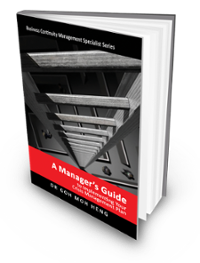 Goh, M. H. (2016). A Manager’s Guide to Implement Your Crisis Management Plan. Business Continuity Management Specialist Series (1st ed., p. 192). Singapore: GMH Pte Ltd.
More Information About Crisis Management Blended/ Hybrid Learning Courses
To learn more about the course and schedule, click the buttons below for the CM-300 Crisis Management Implementer [CM-3] and the CM-5000 Crisis Management Expert Implementer [CM-5].


![[BL-CM] [5] Register](https://no-cache.hubspot.com/cta/default/3893111/82024308-16f4-4491-98be-818a882c6286.png)

![Email to Sales Team [BCM Institute]](https://no-cache.hubspot.com/cta/default/3893111/3c53daeb-2836-4843-b0e0-645baee2ab9e.png)


