


Mass Casualty Crisis Scenario for Student Overseas Trips – Singapore Institute of Technology (SIT)
![[CM] [SIT] Legal Disclaimer Banner](https://no-cache.hubspot.com/cta/default/3893111/7cd96343-be69-4196-84d6-73f1153f1d2f.png) This chapter details specific actions to take before, during, and after a Mass Casualty Crisis Scenario for Student Overseas Trips by the Singapore Institute of Technology (SIT)
This chapter details specific actions to take before, during, and after a Mass Casualty Crisis Scenario for Student Overseas Trips by the Singapore Institute of Technology (SIT)
 This playbook is a training aid for Module 2 participants in the CM-300/5000 Implementer/Expert Implementer Course to attempt the CM plan development assignment.
![[CM] [SIT] Title Banner](https://no-cache.hubspot.com/cta/default/3893111/b3ec5c4a-5e8e-459d-bbf0-a19420a52cb5.png) Detailed Steps During the Crisis
Detailed Steps During the Crisis
Response, Recovery, and Resume
Purpose
The objective of the Response, Recovery and Resumption phase is to protect life, provide immediate assistance to affected students, establish situational awareness, coordinate stakeholders, support next of kin, manage communications, and minimise disruption to SIT operations.
During a mass-casualty incident overseas, SIT must rapidly transition from routine operations to a structured crisis-response mode capable of operating across multiple jurisdictions, agencies, hospitals, and stakeholders.
The response phase should be executed through a coordinated crisis management structure and guided by pre-established escalation procedures.
Stage 1: Incident Detection and Verification
Objective
Rapidly verify the incident and establish an initial understanding of the situation before activating broader crisis measures.
Step 1.1 Receive Incident Notification
Sources may include:
- students
- programme leaders
- local partners
- police
- hospitals
- embassies
- social media
- news agencies
- travel providers
Record:
- date and time
- reporting source
- incident location
- event description
- contact information
Step 1.2 Verify Information
Actions:
-
Confirm the exact location
-
determine event type
-
Verify incident severity
-
Identify students involved
-
Confirm local authority involvement
-
Identify emergency responders
Avoid assumptions and unverified information.
Deliverable
Initial Incident Report (IIR)
Stage 2: Activate SIT Crisis Management Structure
Objective
Mobilise crisis resources and establish leadership.
Step 2.1 Activate Crisis Escalation Process
Escalation triggers:
Level 1
- isolated injuries
Level 2
- hospital admissions
Level 3
- multiple serious injuries
Level 4
- fatalities and extensive media attention
Step 2.2 Activate Crisis Management Team
Notify:
|
Team |
Role |
|
President |
Strategic decisions |
|
Crisis Director |
Command and control |
|
Student Affairs |
Student support |
|
Global Education Office |
Programme management |
|
Corporate Communications |
Media handling |
|
Security Team |
Coordination |
|
Legal Team |
Legal advice |
|
Medical Advisor |
Medical coordination |
Step 2.3 Activate Crisis Operations Centre
Actions:
-
establish communication channels
-
activate hotline
-
establish a virtual coordination platform
-
deploy administrative support
Deliverable
Crisis Activation Log
Stage 3: Establish Incident Command and Control
Objective
Provide structure and accountability for response operations.
Step 3.1 Establish Incident Command Structure
Assign teams:
|
Team |
Responsibilities |
|
Student Accountability Team |
Track student status |
|
Medical Coordination Team |
Hospital liaison |
|
Family Support Team |
Next-of-kin support |
|
Communications Team |
Internal and external messaging |
|
Logistics Team |
Travel and deployment |
|
Documentation Team |
Records and logs |
Step 3.2 Conduct Initial Crisis Briefing
Agenda:
- incident overview
- casualty estimates
- missing persons
- known injuries
- media attention
- immediate priorities
Stage 4: Establish Student Accountability
Objective
Determine the status and location of all students.
Step 4.1 Account for All Students
Determine:
Category
-
Safe
-
Injured
-
Missing
-
Hospitalised
-
Evacuated
-
Deceased
-
Uncontactable
Step 4.2 Implement Student Tracking Process
Collect:
- student location
- hospital assignment
- condition
- attending staff
- transportation status
Verification sources:
- programme leaders
- hospitals
- police
- embassies
- travel companions
Deliverable
Student Accountability Dashboard
Stage 5: Medical and Casualty Management
Objective
Provide coordinated medical support for affected students.
Step 5.1 Identify Hospital Locations
Determine:
-
hospital name
-
hospital contact
-
attending physician
-
number admitted
-
treatment status
Step 5.2 Assign Hospital Liaison Officers
Responsibilities:
- verify identity
- monitor treatment progress
- communicate updates
- support transfers
- coordinate insurance
Step 5.3 Prioritise Casualty Management
Classification:
|
Priority |
Description |
|
Critical |
Life threatening |
|
Serious |
Major injuries |
|
Moderate |
Stable condition |
|
Minor |
Minor injuries |
|
Fatality |
Deceased |
Deliverable
Hospital and Casualty Status Tracker
Stage 6: Coordinate with External Stakeholders
Objective
Establish coordinated external support.
Step 6.1 Notify Singapore Authorities
Notify:
- Ministry of Foreign Affairs
- Ministry of Education
- Singapore Embassy
- Singapore Consulate
Step 6.2 Coordinate with Local Authorities
Engage:
- police
- hospitals
- emergency responders
- disaster agencies
- local universities
Step 6.3 Coordinate with Support Organisations
Engage:
- insurers
- airlines
- transport providers
- travel agencies
Deliverable
Stakeholder Coordination Log
Stage 7: Manage Next-of-Kin Communication
Objective
Provide timely, accurate, and compassionate communication to families.
Step 7.1 Verify Information Prior to Contact
Confirm:
-
student identity
-
injury status
-
hospital location
-
condition
Step 7.2 Assign Family Liaison Officers
Responsibilities:
- contact family members
- provide updates
- arrange travel
- coordinate support
Step 7.3 Conduct Notification Process
Process:
- Contact next-of-kin privately
- Confirm recipient identity
- Provide factual information only
- Explain support arrangements
- Schedule follow-up updates
Avoid:
- speculation
- technical medical terms
- social media notifications
Deliverable
Family Communication Register
Stage 8: Media and Reputation Management
Objective
Maintain information control and protect institutional credibility.
Step 8.1 Activate Communications Team
Actions:
-
appoint spokesperson
-
issue holding statement
-
monitor social media
-
monitor misinformation
-
coordinate media responses
Step 8.2 Develop Media Messaging
Message principles:
- empathy
- accuracy
- transparency
- privacy protection
Sample key themes:
- Student welfare is a priority
- SIT is coordinating with the authorities
- information being verified
- families being supported
Step 8.3 Monitor Digital Environment
Monitor:
- news reports
- student social media
- online rumours
- public sentiment
Deliverable
Media Situation Report
Stage 9: Deploy SIT Support Resources
Objective
Provide operational and human support to affected locations.
Actions:
Assess need for:
- deployment of SIT representatives
- medical advisors
- counsellors
- senior management
- family support personnel
Coordinate:
- flights
- accommodation
- logistics
Deliverable
Deployment Action Plan
Stage 10: Conduct Crisis Decision Meetings
Objective
Maintain shared situational awareness and strategic direction.
Initial phase
Meet every 30–60 minutes
Stabilisation phase
Meet every 2–4 hours
Meeting agenda
- casualty updates
- missing students
- hospital status
- stakeholder updates
- family concerns
- media issues
- decisions required
Deliverable
Situation Reports (SITREP)
Stage 11: Documentation and Record Management
Objective
Maintain evidence and decision records.
Maintain:
- communication logs
- decision logs
- expense records
- casualty reports
- media reports
- stakeholder interactions
Deliverable
Crisis Event Chronology
End-State During Crisis Phase
The crisis response phase concludes when:
- All students are accounted for
- Casualties are stabilised
- Next of kin are informed
- media attention is controlled
- Emergency response operations reduce
- Transition to recovery begins
At this stage, SIT transitions from emergency response into recovery and post-crisis management activities.
Click the icon for the crisis management playbook for the three stages: Pre-, During-, and Post-crisis for the Managing Mass Casualty Crisis Scenario for Student Overseas Trips
| Introduction | Pre-Crisis | During Crisis | Post-Crisis |
| Managing Mass Casualties | Preparedness and Prevention/ Reduction | Response, Recovery and Resume | Recovery, Restore and Return Home |
 |
![[CM] [SIT] [E1] [C9] Pre-Crisis - Risk Identification and Crisis Preparedness](https://no-cache.hubspot.com/cta/default/3893111/080ff992-67be-4fe7-8b42-2a820a87eeee.png) |
 |
 |
Reference Guide
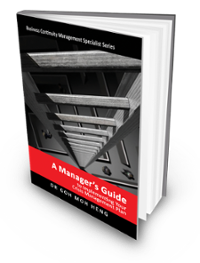 Goh, M. H. (2016). A Manager’s Guide to Implement Your Crisis Management Plan. Business Continuity Management Specialist Series (1st ed., p. 192). Singapore: GMH Pte Ltd.
More Information About Crisis Management Blended/ Hybrid Learning Courses
To learn more about the course and schedule, click the buttons below for the CM-300 Crisis Management Implementer [CM-3] and the CM-5000 Crisis Management Expert Implementer [CM-5].


![[BL-CM] [5] Register](https://no-cache.hubspot.com/cta/default/3893111/82024308-16f4-4491-98be-818a882c6286.png)

![Email to Sales Team [BCM Institute]](https://no-cache.hubspot.com/cta/default/3893111/3c53daeb-2836-4843-b0e0-645baee2ab9e.png)


