


eBook 2: Chapter 1
SHINE Children and Youth Services
Introduction
![[BCM] [SHINE] [E2] [C1] Business Continuity Management Planning Methodology](https://no-cache.hubspot.com/cta/default/3893111/d65fbada-a07c-44d3-a932-e6b74b77f610.png)
![eBook Cover [BCM] [SHINE] [E2] [2D]](https://no-cache.hubspot.com/cta/default/3893111/b17be43a-eaee-4c3f-be55-dac3afc3d3ed.png) Practical Business Continuity Management (BCM) ensures that SHINE Children and Youth Services (SHINE) can maintain continuity of care and critical operations during disruptions.
Practical Business Continuity Management (BCM) ensures that SHINE Children and Youth Services (SHINE) can maintain continuity of care and critical operations during disruptions.
This chapter outlines the BCM planning methodology tailored to SHINE, aligned with ISO 22301 requirements.
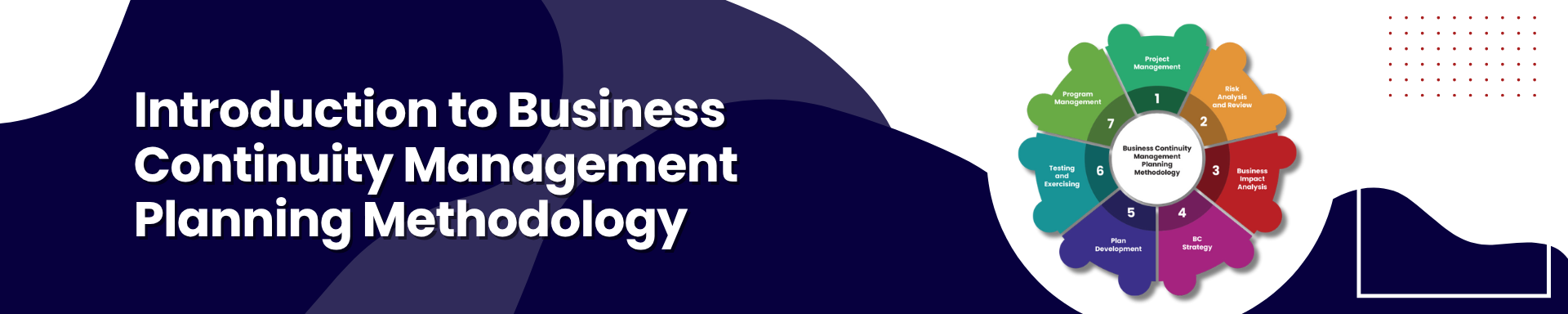
The methodology follows seven structured phases, providing a systematic approach to resilience and recovery planning.
1. Project Management (PM)
The first phase establishes the foundation for the BCM program at SHINE. Key activities include:
- Defining scope and objectives: Identify SHINE’s mission-critical services, such as child protection support, youth mentorship, and family assistance programs.
- Securing sponsorship and governance: Ensure senior leadership endorsement and define roles, responsibilities, and accountability for BCM implementation.
- Resource allocation: Assign personnel, budget, and tools for BCM activities.
SHINE-Specific Requirement
The project must prioritise continuity planning for vulnerable children and youth services, ensuring support services remain operational during disruptions, including public health emergencies and IT system outages.
2. Risk Analysis and Review (RAR)
Risk analysis evaluates potential threats and vulnerabilities to SHINE’s operations:
- Threat identification: Examples include IT system failures, natural disasters, and public health emergencies.
- Existing control assessment: Review current safeguards, such as IT backup systems, emergency response protocols, and partnerships with community organisations.
- Risk rating and prioritisation: Quantify likelihood and impact to focus resources on the most critical risks.
SHINE-Specific Requirement
Special attention must be given to risks that could interrupt direct care services, including home visits, counselling sessions, and community outreach programs.
3. Business Impact Analysis (BIA)
BIA identifies the impact of service disruptions and determines recovery priorities:
- Critical business function assessment: Identify services essential to SHINE’s mission.
- Impact evaluation: Assess operational, reputational, financial, and regulatory consequences of disruptions.
- Recovery time objectives (RTO) and recovery point objectives (RPO): Define timelines for restoring each critical function.
SHINE-Specific Requirement
The BIA must account for the immediate needs of children and youth in SHINE’s care, including continuity of counselling support, educational programs, and emergency interventions.
4. Business Continuity Strategy (BCS)
This phase defines strategies to maintain or restore operations:
- Prevention strategies: Implement measures to reduce the likelihood of disruption, such as IT redundancy or staff cross-training.
- Response strategies: Develop alternative service delivery methods, including telecounselling or remote learning programs.
- Recovery strategies: Identify locations, resources, and partnerships required to restore critical services.
SHINE-Specific Requirement
The strategy should include community-based partnerships to provide alternative service points in case of physical office closures.
5. Plan Development (PD)
BCM plans to formalise procedures for managing disruptions:
- Documentation: Develop comprehensive continuity plans, including emergency contact lists, escalation procedures, and step-by-step recovery actions.
- Role assignment: Ensure staff understand their responsibilities during a disruption.
- Integration with existing policies: Align BCM plans with SHINE’s safeguarding, child protection, and operational guidelines.
SHINE-Specific Requirement
Plans must integrate child-safeguarding protocols to ensure the safety and well-being of children and youth during emergencies.
6. Testing and Exercising (TE)
Testing validates the effectiveness of BCM plans:
- Simulation exercises: Conduct tabletop exercises and mock disruptions to evaluate response capabilities.
- Plan refinement: Identify gaps and implement improvements based on lessons learned.
- Staff training: Ensure employees are familiar with their roles and responsibilities.
SHINE-Specific Requirement
Exercises must include scenarios involving service disruptions affecting children and youth to ensure staff can respond appropriately under stress.
7. Program Management (PgM)
Program management ensures ongoing BCM effectiveness and alignment with SHINE’s mission:
- Continuous improvement: Regularly review risks, BIA outcomes, and plan effectiveness.
- Auditing and compliance: Monitor adherence to ISO 22301 requirements and internal governance policies.
- Communication: Maintain clear reporting lines to leadership and stakeholders regarding BCM status and updates.
SHINE-Specific Requirement
The program must continuously incorporate feedback from staff, volunteers, and community partners to ensure that continuity plans remain practical and responsive to service needs.
![Banner [Summary] [BCM] [E2] [C1] BCM Planning Methodology](https://no-cache.hubspot.com/cta/default/3893111/c8cd5c83-ee61-4ddf-982d-f49b490dd21d.png)
The seven-phase BCM planning methodology ensures SHINE Children and Youth Services can safeguard vulnerable children and youth, maintain critical operations, and recover effectively from disruptions.
Tailoring each phase to SHINE’s specific context—from child protection services to community outreach—aligns BCM practices with the organisation’s mission while meeting ISO 22301:2022 standards.
![[BCM] [SHINE] [E2] [C2] Project Management](https://no-cache.hubspot.com/cta/default/3893111/03d8427a-9706-4f3d-a8a0-9a9de56455b1.png)
![[BCM] [SHINE] [E2] [C3] Risk Analysis and Review](https://no-cache.hubspot.com/cta/default/3893111/0df268b4-d8f2-4ae9-9cb9-2eb0ab4ac808.png)
![[BCM] [SHINE] [E2] [C4] Business Impact Analysis](https://no-cache.hubspot.com/cta/default/3893111/0499e267-48d8-4c80-8fae-d0cfe997e70d.png)
![[BCM] [SHINE] [E2] [C5] Business Continuity Strategy](https://no-cache.hubspot.com/cta/default/3893111/c2dbeaf6-54cd-4468-ad97-f0c460f9c430.png)
![[BCM] [SHINE] [E2] [C6] BCM Plan Development](https://no-cache.hubspot.com/cta/default/3893111/215f489e-fb2d-4053-a760-d142f8b4c364.png)
![[BCM] [SHINE] [E2] [C7] Testing and Exercising](https://no-cache.hubspot.com/cta/default/3893111/f4a49829-b26c-426b-b12a-6828196f7662.png)
![[BCM] [SHINE] [E2] [C8] Program Management](https://no-cache.hubspot.com/cta/default/3893111/5d18b31a-a54f-474c-a705-f3b6524d4524.png)
![[BCM] [SHINE] [E2] [C9] Summary](https://no-cache.hubspot.com/cta/default/3893111/8642de14-5077-4bd6-a477-2436835a4e10.png)
![[BCM] [SHINE] [E2] [C10] Back Cover](https://no-cache.hubspot.com/cta/default/3893111/35916527-3f64-4214-95f7-3dfc7d6646b5.png)
More Information About Business Continuity Management Courses
To learn more about the course and schedule, click the buttons below for the BCM-300 Business Continuity Management Implementer [BCM-3] and the BCM-5000 Business Continuity Management Expert Implementer [BCM-5].


![Register [BL-B-3]*](https://no-cache.hubspot.com/cta/default/3893111/ac6cf073-4cdd-4541-91ed-889f731d5076.png)



![FAQ [BL-B-3]](https://no-cache.hubspot.com/cta/default/3893111/b3824ba1-7aa1-4eb6-bef8-94f57121c5ae.png)
![Email to Sales Team [BCM Institute]](https://no-cache.hubspot.com/cta/default/3893111/3c53daeb-2836-4843-b0e0-645baee2ab9e.png)


