


eBook 2: Chapter 1
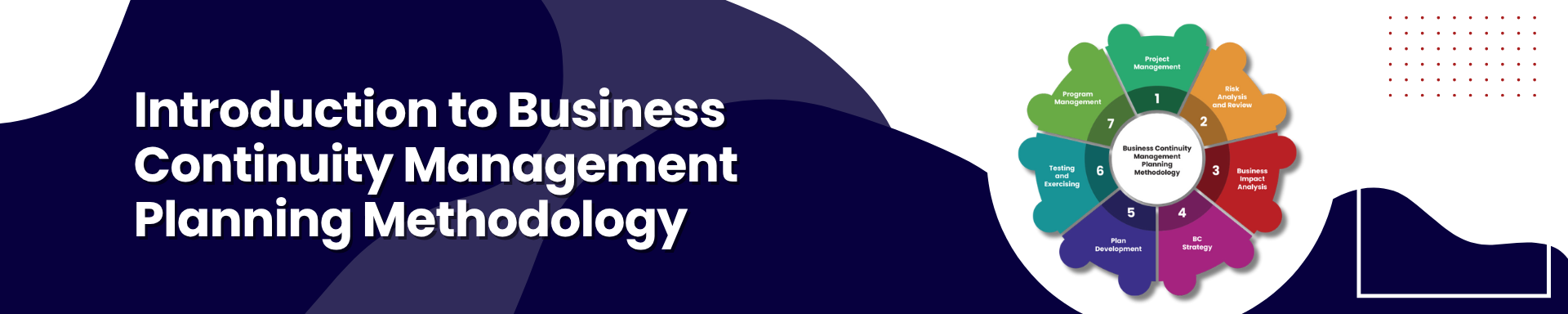
Business Continuity Management Planning Methodology for MINDS
Introduction
![[BCM] [MINDS] [E2] [C1] Business Continuity Management Planning Methodology](https://no-cache.hubspot.com/cta/default/3893111/9dcfe7d6-9606-4a86-9e17-4b28d8096760.png)
The Movement for the Intellectually Disabled of Singapore (MINDS) plays a crucial role in providing lifelong care, education, training, and support services to individuals with intellectual disabilities and their families.
Given the vulnerability of MINDS’ clients and the essential nature of its programmes—such as residential services, special education, vocational training, and community-based support—any disruption to operations can have serious consequences for client safety, well-being, regulatory compliance, and public trust.
ISO 22301 emphasises a structured and systematic approach to Business Continuity Management (BCM) to ensure that organisations can continue delivering critical products and services during and after disruptive incidents.
For MINDS, this means ensuring continuity of care, safeguarding clients, supporting caregivers and staff, and maintaining stakeholder confidence among families, funders, and government agencies.
This chapter outlines a seven-phase Business Continuity Management Planning Methodology tailored to MINDS's operational context, service delivery model, and regulatory environment.
The methodology provides a clear roadmap for establishing, implementing, maintaining, and continually improving BCM in alignment with ISO 22301 requirements.
Overview of the BCM Planning Methodology for MINDS
The BCM planning methodology for MINDS consists of the following seven interrelated phases:
- Project Management (PM)
- Risk Analysis and Review (RAR)
- Business Impact Analysis (BIA)
- Business Continuity Strategy (BCS)
- Plan Development (PD)
- Testing and Exercising (TE)
- Program Management (PgM)
Each phase addresses specific ISO 22301 requirements and reflects the unique needs of MINDS as a care-focused, multi-site social service organisation.

Phase 1: Project Management (PM)
Purpose
The Project Management phase establishes the foundation for the BCM initiative by defining scope, governance, roles, responsibilities, timelines, and resources.
Application to MINDS
At MINDS, this phase ensures that BCM planning encompasses diverse service lines, including special education schools, residential homes, training centres, and administrative functions.
Specific Requirement for MINDS

Phase 2: Risk Analysis and Review (RAR)
Purpose
Risk Analysis and Review identifies threats that could disrupt MINDS’ operations and evaluates their likelihood and potential impact.
Application to MINDS
Risks may include pandemics, infectious disease outbreaks, workforce shortages, facility outages, IT system failures, supply chain disruptions (e.g., food and medications), and transport interruptions that affect client mobility.
Specific Requirement for MINDS
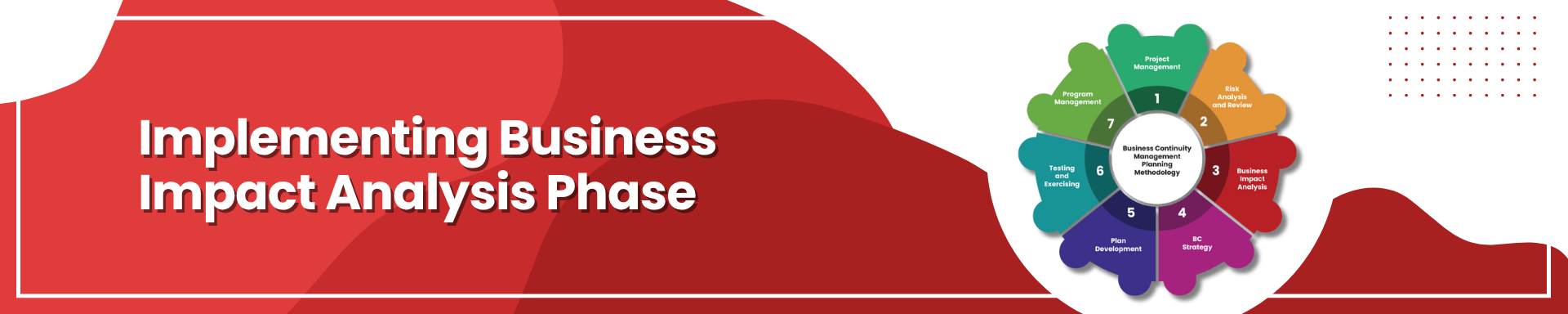
Phase 3: Business Impact Analysis (BIA)
Purpose
The BIA determines the effects of disruptions on critical business functions over time and identifies recovery priorities.
Application to MINDS
For MINDS, the BIA focuses on the impact of service interruption on client safety, health, emotional well-being, regulatory obligations, and caregiver support.
Specific Requirement for MINDS

Phase 4: Business Continuity Strategy (BCS)
Purpose
The Business Continuity Strategy phase identifies and selects appropriate strategies to maintain or restore critical functions within acceptable timeframes.
Application to MINDS
Strategies may include staff redeployment, caregiver cross-training, alternative care sites, remote service delivery, vendor agreements for essential supplies, and backup IT systems.
Specific Requirement for MINDS
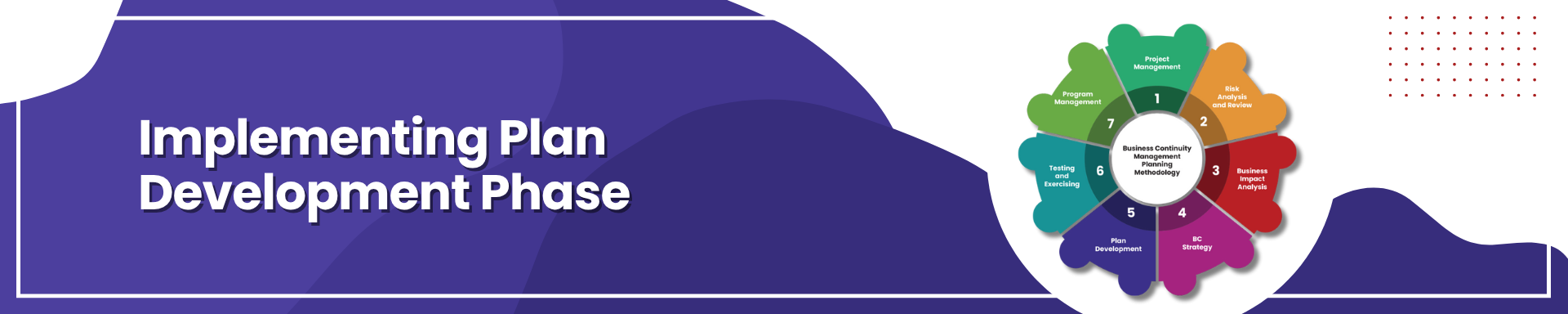
Phase 5: Plan Development (PD)
Purpose
Plan Development documents the procedures, roles, and resources required to implement selected continuity strategies effectively.
Application to MINDS
This includes centre-level business continuity plans, emergency response procedures, communication protocols with families, and coordination with external agencies.
Specific Requirement for MINDS
MINDS shall ensure that centre-specific BCM plans are developed for all service locations, clearly defining staff responsibilities, escalation procedures, and client care arrangements during disruptions.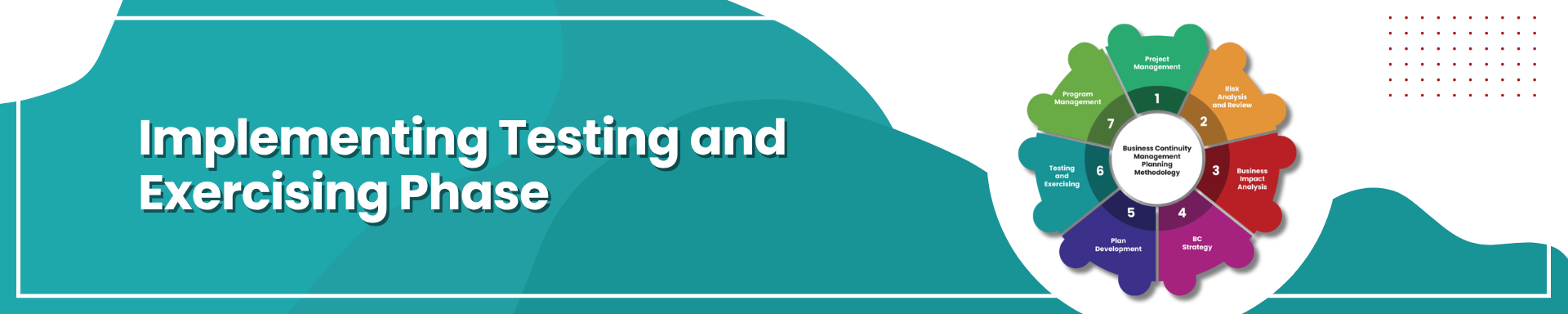
Phase 6: Testing and Exercising (TE)
Purpose
Testing and exercising validate the effectiveness of business continuity plans and ensure staff readiness.
Application to MINDS
Exercises may include tabletop simulations, evacuation drills, IT recovery tests, and pandemic response scenarios involving care staff and management.
Specific Requirement for MINDS

Phase 7: Program Management (PgM)
Purpose
Program Management ensures the BCM framework remains effective, up-to-date, and aligned with organisational changes and ISO 22301 requirements.
Application to MINDS
This includes regular reviews, audits, management reporting, training, and continuous improvement.
Specific Requirement for MINDS
- MINDS shall integrate BCM into its organisational governance and quality management processes, ensuring alignment with regulatory requirements, funding conditions, and evolving care models.
![Banner [Summary] [BCM] [E2] [C1] BCM Planning Methodology](https://no-cache.hubspot.com/cta/default/3893111/c8cd5c83-ee61-4ddf-982d-f49b490dd21d.png)
The Business Continuity Management Planning Methodology outlined in this chapter provides MINDS with a structured, ISO 22301–aligned approach to safeguarding its mission of supporting persons with intellectual disabilities.
By systematically progressing through the seven phases—from Project Management to Program Management—MINDS can enhance its resilience, protect vulnerable clients, and ensure continuity of essential care and support services during disruptions.
More importantly, this methodology reinforces a culture of preparedness and accountability across the organisation. It recognises that business continuity at MINDS is not solely about restoring operations, but about sustaining trust, dignity, and quality of care for clients and their families.
Through consistent application and continual improvement, BCM becomes an integral part of how MINDS fulfils its social mission, even in the face of uncertainty and change.

Note that the icon marked with [x] is under construction
![[BCM] [MINDS] [E2] [C2] Project Management](https://no-cache.hubspot.com/cta/default/3893111/fcc02778-e6c8-422c-b145-9673c76b0aa6.png)
![[BCM] [MINDS] [E2] [C3] Risk Analysis and Review](https://no-cache.hubspot.com/cta/default/3893111/748f3362-cad1-4149-887f-2b15d14c6e7a.png)
![[BCM] [MINDS] [E2] [C4] Business Impact Analysis](https://no-cache.hubspot.com/cta/default/3893111/e63b8af3-8a55-42c5-924a-5a3cd7b03a5e.png)
![[BCM] [MINDS] [E2] [C5] Business Continuity Strategy](https://no-cache.hubspot.com/cta/default/3893111/ff357894-8634-4359-8455-e77d0431e6fc.png)
![[BCM] [MINDS] [E2] [C6] BCM Plan Development](https://no-cache.hubspot.com/cta/default/3893111/f1e70ff9-89d1-45e6-a13f-e7e316b86408.png)
![[BCM] [MINDS] [E2] [C7] Testing and Exercising](https://no-cache.hubspot.com/cta/default/3893111/0af72953-42f6-4d2a-a840-4a09fcc90c85.png)
![[BCM] [MINDS] [E2] [C8] Program Management](https://no-cache.hubspot.com/cta/default/3893111/432a0769-4329-4f6e-8a75-9e943fbd0e50.png)
![[BCM] [MINDS] [E2] [C9] Summary](https://no-cache.hubspot.com/cta/default/3893111/8dc20aa4-cb9b-4714-8a8f-d7be5fa53934.png)
![[BCM] [MINDS] [E2] [C10] Back Cover of eBook 2](https://no-cache.hubspot.com/cta/default/3893111/a8280fb5-92e6-48be-bc16-7049d5ceeec3.png)
More Information About Business Continuity Management Courses
To learn more about the course and schedule, click the buttons below for the BCM-300 Business Continuity Management Implementer [BCM-3] and the BCM-5000 Business Continuity Management Expert Implementer [BCM-5].


![Register [BL-B-3]*](https://no-cache.hubspot.com/cta/default/3893111/ac6cf073-4cdd-4541-91ed-889f731d5076.png)



![FAQ [BL-B-3]](https://no-cache.hubspot.com/cta/default/3893111/b3824ba1-7aa1-4eb6-bef8-94f57121c5ae.png)
![Email to Sales Team [BCM Institute]](https://no-cache.hubspot.com/cta/default/3893111/3c53daeb-2836-4843-b0e0-645baee2ab9e.png)


