


eBook 2: Chapter 1
Business Continuity Management Planning Methodology for Jenari Home
Introduction
![x eBook Cover [BCM] [JH] [E2] [2D]](https://no-cache.hubspot.com/cta/default/3893111/462b4e96-363a-42f2-ab2f-f1bda26850aa.png) Jenaris Home @ Pelangi Village provides residential care and holistic support for vulnerable individuals, where continuity of care, safety, and well-being are paramount.
Jenaris Home @ Pelangi Village provides residential care and holistic support for vulnerable individuals, where continuity of care, safety, and well-being are paramount.
Any disruption—whether arising from fire incidents, infectious disease outbreaks, manpower shortages, utility failures, or technology outages—can have immediate and severe consequences on residents, staff, and stakeholders.
As such, implementing a structured and effective Business Continuity Management (BCM) Planning Methodology is not merely a compliance exercise, but a critical operational and ethical responsibility.
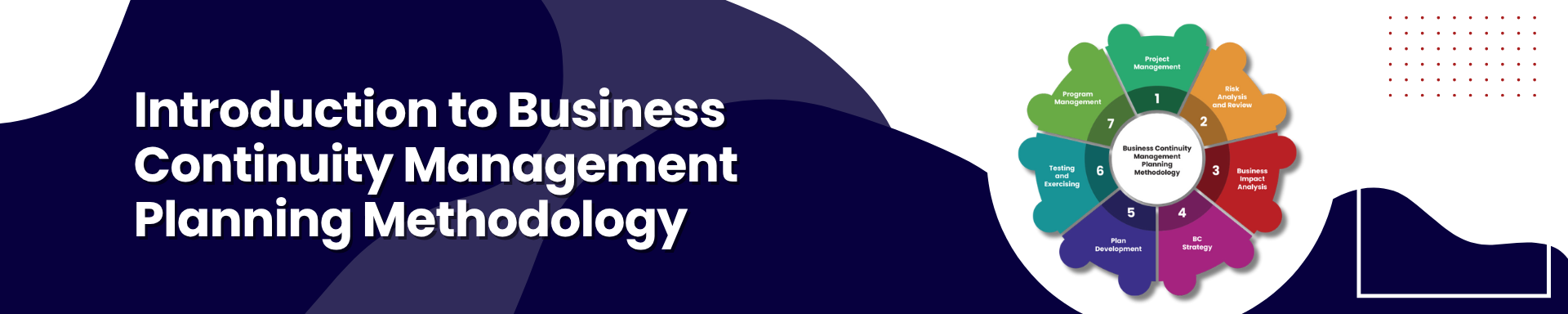
This chapter outlines a seven-phase Business Continuity Management Planning Methodology, aligned with ISO 22301: Business Continuity Management Systems, and customised to the operational realities of Jenaris Home @ Pelangi Village.
The methodology provides a systematic approach to identifying risks, understanding impacts, developing continuity strategies, and ensuring sustained readiness to respond to and recover from disruptive incidents—while maintaining residents' dignity, safety, and continuity of care.
 Phase 1: Project Management (PM)
Objective
To establish governance, scope, roles, and resources for the BCM initiative at Jenaris Home @ Pelangi Village.
Key Activities
- Appoint a BCM Sponsor (e.g. Home Director or Senior Management Representative).
- Designate a BCM Coordinator responsible for overseeing BCM development and maintenance.
- Define the scope of BCM, covering residential care operations, clinical support, welfare services, food preparation, facilities management, IT systems, and external dependencies.
- Develop a BCM project plan with milestones, responsibilities, and timelines.
- Identify internal and external stakeholders, including staff, residents’ families, volunteers, regulators, and partner service providers.
Specific Requirement for Jenaris Home
The BCM project shall explicitly include 24/7 residential care operations, ensuring that continuity planning addresses overnight staffing, emergency caregiving arrangements, and decision-making authority outside normal office hours.

Phase 2: Risk Analysis and Review (RAR)
Objective
To identify and assess threats that could disrupt Jenaris Home’s ability to deliver safe and continuous care.
Key Activities
- Identify internal and external risks, including:
- Fire, flooding, or structural damage to residential facilities
- Infectious disease outbreaks (e.g. influenza, COVID-19)
- Staff unavailability due to illness or transport disruptions
- Power, water, or gas supply failures
- IT system outages affecting resident records or communication
- Evaluate the likelihood and severity of each risk.
- Review existing controls and safeguards (e.g. fire safety systems, infection control protocols).
- Prioritise risks requiring mitigation or contingency planning.
Specific Requirement for Jenaris Home
Risk assessment shall include resident-specific vulnerabilities, such as mobility limitations, medical dependencies, or behavioural needs, to ensure risks are evaluated not only operationally but also from a resident safety perspective.
Phase 3: Business Impact Analysis (BIA)
Objective
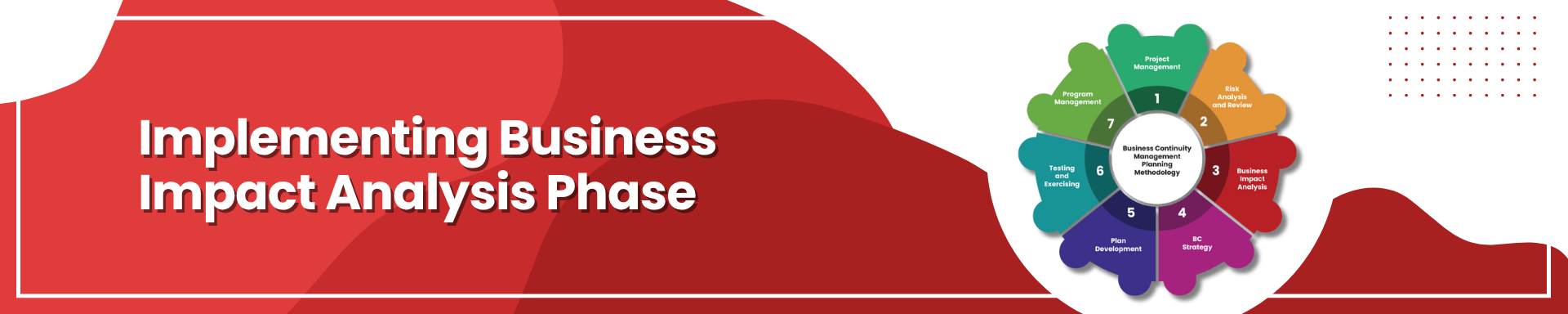
To determine the impact of disruptions on critical services and establish recovery priorities.
Key Activities
- Identify Critical Business Functions (CBFs), such as:
- Residential care and supervision
- Medication management
- Meal preparation and nutrition services
- Incident response and emergency communication
- Safeguarding and welfare monitoring
- Assess the impact of service disruption over time on:
- Resident health and safety
- Regulatory compliance
- Reputational trust with families and stakeholders
- Define Maximum Tolerable Period of Disruption (MTPD), Recovery Time Objectives (RTOs), and Recovery Point Objectives (RPOs) where applicable.
Specific Requirement for Jenaris Home
Residential care and medication management shall be classified as highest-priority functions, with recovery time objectives measured in hours rather than days, reflecting the non-negotiable nature of resident care.

Phase 4: Business Continuity Strategy (BCS)
Objective
To identify and select strategies that ensure continuity of critical services during disruptions.
Key Activities
- Develop people-related strategies (e.g. staff redeployment, relief staffing, volunteer support).
- Identify facility strategies (e.g. alternative accommodation areas, safe congregation points).
- Establish supplier and partner strategies (e.g. backup food suppliers, medical service providers).
- Define IT and information continuity strategies (e.g. manual records, data backups).
- Consider financial and insurance arrangements to support prolonged disruptions.
Specific Requirement for Jenaris Home
Continuity strategies shall include pre-arranged mutual support or escalation arrangements with partner welfare organisations or governing bodies to support resident care if the primary facility becomes partially or fully unusable.
Phase 5: Plan Development (PD)
Objective
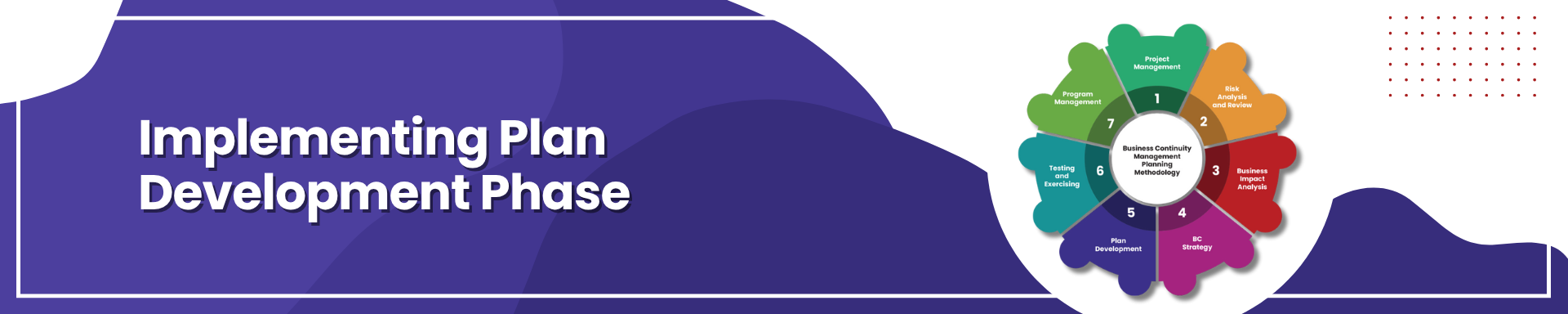
To document actionable and role-based business continuity plans.
Key Activities
- Develop a Business Continuity Plan (BCP) aligned with ISO 22301 requirements.
- Create functional and incident-specific procedures, including:
- Emergency evacuation and shelter-in-place procedures
- Staff communication and call-tree activation
- Continuity of caregiving and supervision
- Family and stakeholder communication protocols
- Clearly define roles, responsibilities, and authority levels.
- Ensure plans are accessible in both electronic and hardcopy formats.
Specific Requirement for Jenaris Home
The BCP shall include resident-focused response checklists to ensure caregivers can quickly prioritise resident safety, medication, nutrition, and emotional well-being during emergencies.
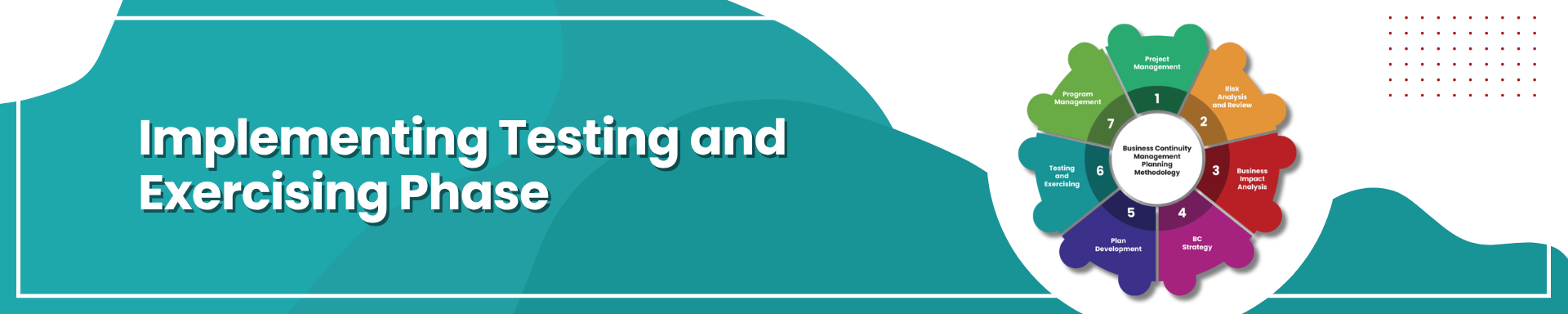
Phase 6: Testing and Exercising (TE)
Objective
To validate the effectiveness and practicality of BCM plans.
Key Activities
- Conduct regular tabletop exercises involving management and caregiving staff.
- Perform scenario-based drills (e.g. fire evacuation, pandemic response).
- Test communication mechanisms, including after-hours escalation.
- Capture lessons learned and identify gaps or areas for improvement.
Specific Requirement for Jenaris Home
Exercises shall be designed to be non-disruptive and sensitive to residents, ensuring that drills do not cause unnecessary distress while still validating staff readiness and procedural effectiveness.

Phase 7: Program Management (PgM)
Objective
To ensure BCM remains effective, current, and embedded into organisational culture.
Key Activities
- Establish a BCM review cycle (e.g. annual or after major incidents).
- Update plans in response to changes in resident profiles, staffing, or facilities.
- Integrate BCM into staff onboarding and ongoing training.
- Monitor compliance with ISO 22301 and regulatory expectations.
- Report BCM status and improvements to senior management.
Specific Requirement for Jenaris Home
BCM shall be integrated into care governance and quality assurance frameworks, ensuring continuity considerations are reviewed alongside resident safety, care quality, and compliance initiatives.
![Banner [Summary] [BCM] [E2] [C1] BCM Planning Methodology](https://no-cache.hubspot.com/cta/default/3893111/c8cd5c83-ee61-4ddf-982d-f49b490dd21d.png)
The Business Continuity Management Planning Methodology outlined in this chapter provides Jenaris Home @ Pelangi Village with a structured, resident-centric, and ISO 22301-aligned approach to resilience.
By systematically progressing through the seven phases—from Project Management to Program Management—the organisation can confirm that critical care services remain available, safe, and effective, even in the face of disruption.
More importantly, this methodology reinforces Jenaris Home’s commitment to safeguarding its residents, supporting its staff, and maintaining trust with families and stakeholders.
When fully implemented and sustained, BCM becomes not just a set of plans, but an integral part of delivering compassionate, reliable, and future-ready holistic care at Jenaris Home @ Pelangi Village.
More Information About Business Continuity Management Courses
To learn more about the course and schedule, click the buttons below for the BCM-300 Business Continuity Management Implementer [BCM-3] and the BCM-5000 Business Continuity Management Expert Implementer [BCM-5].


![Register [BL-B-3]*](https://no-cache.hubspot.com/cta/default/3893111/ac6cf073-4cdd-4541-91ed-889f731d5076.png)


![FAQ [BL-B-3]](https://no-cache.hubspot.com/cta/default/3893111/b3824ba1-7aa1-4eb6-bef8-94f57121c5ae.png)
![Email to Sales Team [BCM Institute]](https://no-cache.hubspot.com/cta/default/3893111/3c53daeb-2836-4843-b0e0-645baee2ab9e.png)


