![BB OR [Grab] Operation Centre 3](https://blog.bcm-institute.org/hs-fs/hubfs/BB%20OR%20Grab%20Id/Pictures%20Grab%20Id/BB%20OR%20%5BGrab%5D%20Operation%20Centre%203.jpg?width=2000&height=1333&name=BB%20OR%20%5BGrab%5D%20Operation%20Centre%203.jpg "BB OR [Grab] Operation Centre 3")

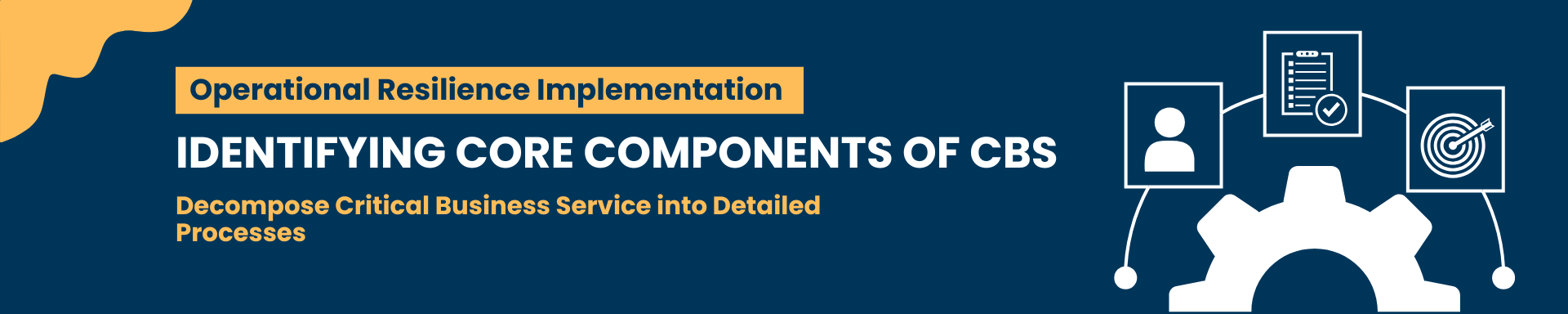

Detailed Business Processes (or sub-CBS)
CBS-2 Delivery / Logistics / Parcel Services (GrabExpress, last-mile delivery)
Introduction
![[OR] [GI] [E3] [CBS] [2] [DP] Delivery / Logistics / Parcel Services](https://no-cache.hubspot.com/cta/default/3893111/eb9f6883-b222-4ea8-9b61-a5ed84251aa1.png)
In Indonesia’s fast-growing digital economy, logistics and delivery services have become an essential enabler for businesses and consumers alike.
Grab Indonesia’s GrabExpress platform plays a pivotal role in supporting merchants, small and medium enterprises (SMEs), and individual customers by providing efficient, reliable, and affordable delivery solutions across urban and intercity areas.
As a critical business service (CBS-2), Delivery/Logistics/Parcel Services is a cornerstone of Grab’s operational and brand resilience.
The GrabExpress ecosystem involves a complex network of interdependent components—ranging from order placement, routing, and parcel pickup to real-time tracking, customer support, and returns management.
Each of these subprocesses must function cohesively to ensure end-to-end service reliability, speed, and safety.
In an environment where delivery timeliness and transparency directly affect customer trust, the resilience of this service becomes more than an operational goal—it becomes a strategic imperative.
This chapter explores the detailed business processes that underpin Grab Indonesia's delivery and logistics operations.
It examines how each subprocess (or sub-CBS) contributes to maintaining service continuity and customer satisfaction.
The mapping of these components provides a foundation for identifying critical dependencies, vulnerabilities, and opportunities to enhance resilience in alignment with regulatory and industry best practices for operational resilience.
What is CBS-2 (Delivery / Logistics / Parcel Services)
This service covers the end-to-end process of moving parcels, documents, small and large packages (via motorbike, car, etc.) from senders to recipients in Indonesia.
It includes instant/same-day, multi-stop, inter-city/first-mile/last-mile, and scheduled deliveries. Key service lines under GrabExpress include:
- Instant deliveries (one‐hour or faster)
- Lower‐cost alternatives (2-3 hrs, etc.)
- Multi-stop/multi-address delivery
- Car vs bike deliveries (for larger/heavier items)
- COD (Cash On Delivery) / paid delivery services
- Subscription / “flat / discounted” delivery fares (e.g. “Ongkir Unlimited”)
This is critical because delivery/logistics is central to Grab’s value proposition for merchants (especially MSMEs/social sellers), drives customer satisfaction, underpins revenue and brand trust, and integrates closely with other Grab services.
Disruptions here (e.g. in routing, fleet availability, tracking) ripple across the business.
High-Level Business Process Map for CBS-2
Below is a decomposition of CBS-2 into sub-business-critical services/subprocesses (sub-CBS), each with its main activities and how they link.
|
Sub-CBS Code |
Sub-CBS / Process |
Major Activities / Steps |
Key Stakeholders |
Inputs |
Outputs |
|
CBS-2.1 |
Order / Booking & Quotation |
‒ Customer (sender/merchant) requests delivery: enters pickup & destination details, chooses service level (instant / same-day / scheduled / multi-stop) ‒ System provides fare estimate/quotation ‒ Optional: merchant uses “check cheapest price”, “save addresses”, “send address link to customer” ‒ Customer confirms order, selects payment method (prepaid, COD, wallet, etc.) |
Sender / merchant; Customer app / web; Payment system; Pricing engine; Address validation services |
Customer address, package size/weight/type, service level, payment method |
Confirmed booking, order ID; estimated cost; pickup time and expectations |
|
CBS-2.2 |
Pickup & Collection |
‒ Assign driver/partner to pickup ‒ Navigate to the pickup location ‒ Collect the parcel (including verifying sender, condition, necessary packaging, contents) ‒ Capture pickup time, sender proof (photo/signature, etc.) |
Driver / delivery partner; Sender; GrabOps dispatch system; Safety / packaging guidelines |
Confirmed order; location data; driver availability; parcel readiness |
Parcel in transit; pickup confirmation; updated status in tracking system |
|
CBS-2.3 |
Routing & Transit (Last-Mile / Inter/First Mile) |
‒ Plan route from pickup → drop-off(s), possibly multi-stop ‒ For inter-city or through partner networks (like rail, partner couriers) for the first/last mile ‒ Manage hand-overs (if changing fleet modes/partners) ‒ In-transit tracking and updates ‒ Handling delays: traffic, weather, other disruptions |
Drivers / couriers; Logistics planners; Partner networks; Traffic / mapping services; Customer support; Tracking systems |
Parcel pickup, destination; mapping / route tools; driver location; partner handover info |
Parcel movement; updated transit status to customer; estimated delivery times; visibility of exceptions |
|
CBS-2.4 |
Delivery / Drop-Off |
‒ Driver delivers to the recipient's address ‒ Collect proof of delivery (could be signature, photo, OTP, etc.) ‒ If COD, collect payment from the recipient ‒ If delivery fails (no one home, wrong address, etc.), attempt retries or return / contact sender |
Driver; Recipient; Customer support; Payment/finance teams (for COD) |
Parcel; recipient info; proof mechanisms; return protocols |
Confirmation of delivery; COD money remitted; update status to completed; resolution of any failed delivery or return |
|
CBS-2.5 |
Returns / Reverse Logistics |
‒ If the recipient refuses, or the order is cancelled, or mis-delivery ‒ Collect the return parcel ‒ Transport back to sender or to a specified returns hub ‒ Verification and reconciliation of returned items ‒ If COD, handle refund/adjustments |
Drivers; Senders; Customer support; Finance (refunds); Return hub operations |
Return request; parcel; return address; condition info |
Parcel returned; status updated; refunds processed (if applicable); inventory or sender updated |
|
CBS-2.6 |
Customer Support / Exceptions Handling |
‒ Handle queries from senders or recipients (lost/damaged/missing parcels; delays; wrong addresses; complaints) ‒ Track exceptions ‒ Escalations ‒ Compensation/refund decisions ‒ Communicate clearly with stakeholders |
Customer support; Operations / logistics management; Finance (for refunds/comp); Quality assurance; Legal (in serious cases) |
Tracking data; sender/recipient reports; documentation (photos, timings, etc.) |
Resolved cases; log of exceptions; customer satisfaction; learnings to reduce future errors |
|
CBS-2.7 |
Fleet / Partner Management |
‒ Onboard, contract, monitor drivers/couriers (bike/car) ‒ Ensure compliance (vehicle condition, safety, licenses) ‒ Fleet capacity planning: supply vs demand balancing ‒ Routing & shift scheduling ‒ Incentives, training, performance evaluation |
Driver/partner management teams; Drivers / couriers; Safety & compliance; Systems / dispatch; HR / training dept |
Applications, vehicle data, performance metrics, demand forecasts |
Effective and reliable supply of drivers; driver satisfaction; fleet performance; safety metrics |
|
CBS-2.8 |
Pricing, Billing & Payments |
‒ Fare/rate calculation (distance, service type, size/weight, extras, COD fees) ‒ Payment processing from sender (or recipient if COD) ‒ Billing of partner drivers or partner network ‒ Settlements, accounting & reconciliation ‒ Handling refunds/adjustments |
Pricing engine; Payment processors; Finance / settlement team; Drivers; Merchants; Banking partners |
Booking details, payment method, driver delivery confirmation, COD receipts, and refund policies |
Completed transactions; driver payments; financial reports; reconciled accounts; refunded amounts if needed |
|
CBS-2.9 |
Tracking, Visibility & Information Systems |
‒ Real-time tracking of parcels in transit for sender/recipient ‒ Status updates (pickup, in transit, delayed, delivered) ‒ Notifications to senders/recipients ‒ Address verification/geolocation, mapping services ‒ Data collection for analytics (delivery times, delays, failure rates) |
IT / engineering; mapping / GPS providers; mobile apps; customers; operations; data analytics teams |
GPS/location data; order status; maps; delivery partner device; user feedback |
Visibility dashboards; tracking status for users; alerts if exceptions; performance metrics; historical data |
|
CBS-2.10 |
Regulatory, Safety, and Compliance |
‒ Ensure compliance with local laws (transport, labour, safety) ‒ Safety standards for delivery partners and parcel handling ‒ Insurance/liability for lost/damaged items ‒ Data privacy/protection ‒ Customs (for intercity / cross-island / cross-border if applicable) |
Legal & compliance teams; Operations; Government / regulators; Insurance partners; Partner drivers |
Laws / regulations; policies; training; incident data; insurance cover schedules |
Compliance certificates; reduced legal exposure; insured coverage; safety incident reporting; minimal regulatory violations |
|
CBS-2.11 |
Continuous Improvement & Innovation |
‒ Feature enhancements (e.g. multi-stop, send-to-many, cheapest price checks) ‒ UI/UX improvements ‒ Operational efficiency (route optimisation, clustering) ‒ New service lines (e.g. intercity, subscription) ‒ Customer/merchant feedback loops ‒ Partnerships (with carriers, first/last mile) |
Product / Tech teams; Ops; Merchant & customer feedback channels; Partner networks; Strategy teams |
User feedback; operational data; market research; partner input; cost / benefit analysis |
New features; improved process efficiencies; increased user/merchant satisfaction; competitive differentiation |
How These Processes Interrelate
- Order/Booking triggers everything else. Errors here (address wrong, service level wrong) propagate down.
- Fleet/partner management underpins pickup, transit, and delivery. Without enough drivers or well-trained ones, the service fails.
- Tracking & Information is cross-cutting: needed for transparency, for customer communications, for exception handling, and operations monitoring.
- Pricing & Billing must tie to confirmed delivery/proof of delivery to settle drivers/partners and to ensure revenue flows properly.
- Customer support/exceptions are needed whenever something goes off planned path (delay, damage, wrong delivery, etc.).
- Continuous improvement helps reduce operational risk, improve resilience, reduce failure rates, and improve recovery from disruptions.
Key Operational Resilience Considerations
For each sub-CBS above, to ensure operational resilience (i.e. ability to prevent, respond to, and recover from disruptions), considerations include:
- Redundancy & Capacity Buffers (fleet spare capacity; backup drivers; partner networks) so that demand surges (e.g. during promos or bad weather) can be met.
- Robust IT / Systems Resilience: ensuring the booking/tracking/dispatch systems have high availability; mapping/GPS data is reliable; failover in case of system outages.
- Clear Exception / Escalation Paths: when delivery fails, when parcels are lost/damaged; service recovery plans and compensation policies.
- Real‐Time Visibility: customers and internal ops should always see where parcels are, predicted delivery, and delays.
- Training & Safety / Compliance: driver safety, handling packaging, proof‐of‐delivery mechanisms; regulatory compliance.
- Data & Analytics for Proactive Action: e.g. anticipating traffic delays, predicting demand spikes, optimising routing.
- Partnership / Network Resilience: for intercity, first/last mile partnerships; managing switching costs and alternate partners if one fails.
- Customer Communication: proactive updates, handling complaints well, and transparency.
- Financial Resilience: correct billing and settlement, managing cash flow, especially with COD; ensuring fraud is mitigated.
Summing Up …
Grab Indonesia’s CBS-2 Delivery / Logistics / Parcel Services exemplifies how a digitally integrated platform can transform logistics into a dynamic, data-driven, and customer-centric service.
Each subprocess—whether it involves booking, routing, payment, or customer support—forms an integral link in the value chain that enables the safe and timely delivery of parcels across the nation.
Disruptions in any one area, such as driver availability, system outages, or third-party failures, can have cascading effects on service performance and reputation.
Building operational resilience in GrabExpress, therefore, requires a holistic approach that strengthens people, processes, technology, and partnerships.
This includes embedding redundancy in fleet operations, enhancing the reliability of dispatch and tracking systems, ensuring robust data protection, and fostering agile recovery strategies in the face of disruptions.
By institutionalising resilience principles across all subprocesses, Grab Indonesia not only safeguards its logistics operations but also reinforces its commitment to reliability, customer confidence, and sustainable growth in the evolving digital economy.
![[OR] [GI] [E3] [CBS] [2] OR Plan](https://no-cache.hubspot.com/cta/default/3893111/359bf65d-c3de-4f85-8528-4955642c783a.png)
![[OR] [GI] [E3] [CBS] [2] [MD] Map Dependency](https://no-cache.hubspot.com/cta/default/3893111/50085ec9-4e85-4d5d-825b-08c2163b8edf.png)
![[OR] [GI] [E3] [CBS] [2] [MPR] Map Processes and Resources](https://no-cache.hubspot.com/cta/default/3893111/f02c3e50-0ffb-4596-8148-24ace522d1f1.png)
![[OR] [GI] [E3] [CBS] [2] [ITo] Establish Impact Tolerances](https://no-cache.hubspot.com/cta/default/3893111/d52d2726-2b97-498f-abcc-fddcdbd2436a.png)
![[OR] [GI] [E3] [CBS] [2] [SuPS] Identify Severe but Plausible Scenarios](https://no-cache.hubspot.com/cta/default/3893111/bca04710-49a2-47c7-99d2-016c0528c726.png)
![[OR] [GI] [E3] [CBS] [2] [ST] Perform Scenario Testing](https://no-cache.hubspot.com/cta/default/3893111/c207f8e7-8ba3-430f-af4a-d987e5fc1b5f.png)

 Gain Competency: For organisations looking to accelerate their journey, BCM Institute’s training and certification programs, including the OR-5000 Operational Resilience Expert Implementer course, provide in-depth insights and practical toolkits for effectively embedding this model.
More Information About OR-5000 [OR-5] or OR-300 [OR-3]
To learn more about the course and schedule, click the buttons below for the OR-300 Operational Resilience Implementer course and the OR-5000 Operational Resilience Expert Implementer course.


![[BL-OR] [3-4-5] View Schedule](https://no-cache.hubspot.com/cta/default/3893111/d0d733a1-16c0-4b68-a26d-adbfd4fc6069.png)
![[BL-OR] [3] FAQ OR-300](https://no-cache.hubspot.com/cta/default/3893111/f20c71b4-f5e8-4aa5-8056-c374ca33a091.png)
![Email to Sales Team [BCM Institute]](https://no-cache.hubspot.com/cta/default/3893111/3c53daeb-2836-4843-b0e0-645baee2ab9e.png)