
![[BL-OR] [3] [5] Module 3](https://no-cache.hubspot.com/cta/default/3893111/4510b0b3-e9dd-4a6e-9133-f6d1423768fe.png)

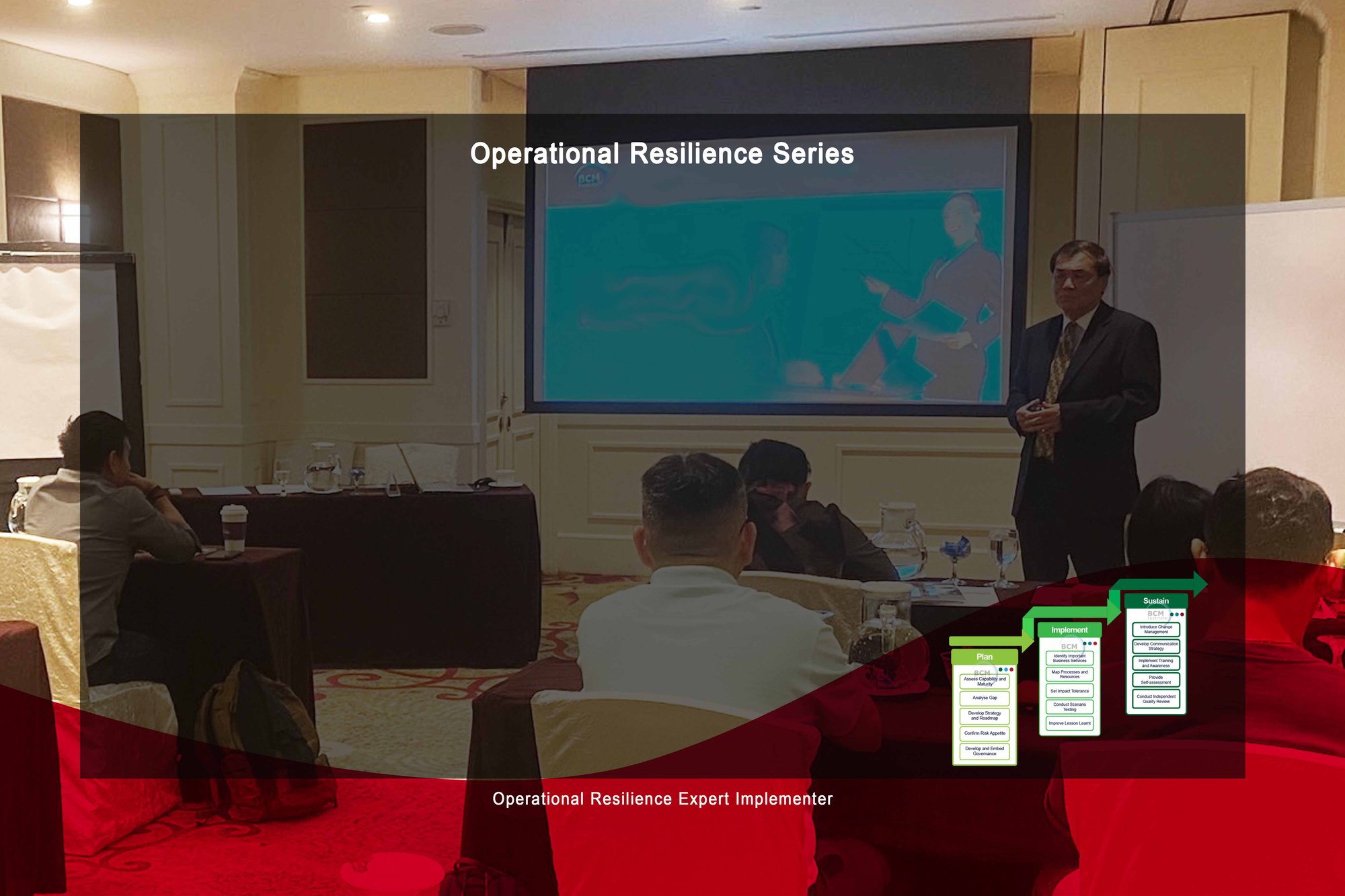
Stage 2 "Analyse Gap" of the "PLAN" phase of the OR Planning Methodology
 The 2nd stage of the Plan phase of the OR Planning methodology touches upon analyzing gaps, shedding light on the significance of understanding and addressing the disparities between current capabilities and desired objectives.
Introducing these key components sets the stage for a structured and strategic approach to planning and executing an Operational Resilience implementation, ensuring organizations are well-equipped to navigate challenges and enhance their overall resilience.
Analyzing the Gap in Operational Resilience
Analyse Gap
 During this phase, specific target objectives for operational resilience are established, and relevant data are collected to analyze the current processes.
Regardless of the organization's position in its operational resilience journey, this stage is crucial for identifying the gaps between the desired state and the current status. The process involves evaluating where the organization wants to be versus its current position, thus defining the gap that needs to be addressed. This analysis sets the foundation for developing the organisation's strategy, roadmap, and risk statement.
Understanding the Current State
 The discussion on analysing the gap in operational resilience begins by emphasizing the importance of clearly defining the target state. This involves understanding the board of directors and senior management's mission and vision statements, reflecting where the organization aims.
The gap analysis, in essence, evaluates the current state against this target, bringing forth the need for collaboration among various subject matter experts. It highlights the significance of involving stakeholders of appropriate seniority across different business lines, ensuring a comprehensive assessment.
Key Aspects of Gap Analysis
The gap analysis is viewed through several essential lenses, each contributing to a holistic evaluation. Documentation emerges as a critical aspect, with an emphasis on evidence-based results.
This satisfies auditors and provides a basis for future assessments and objective identification of gaps. The structure of the gap analysis process is also highlighted, emphasizing the need for careful time management during workshops and interviews. This includes considerations such as sending pre-prepared questions to stakeholders to maximize efficiency.
Strategic Vision and Continuous Improvement
The discussion delves into the strategic vision for the future, questioning whether the future state is well-defined. It encourages participants to reverse engineer from a future program management stage, highlighting the importance of building a solid foundation.
The mention of capability and maturity models underscores the need for a baseline and framework beyond compliance with current regulatory requirements. The conversation suggests that a well-thought-out model will address current expectations and be a strategic tool for future enhancements and continuous improvement. The speaker urges participants to consider regulatory compliance and the organization's perception of its resilience, paving the way for a proactive and forward-thinking approach.


Find out more about Blended Learning OR-300 [BL-OR-3] and OR-5000 [BL-OR-5]
To learn more about the course and schedule, click the buttons below for the OR-3 Blended Learning OR-300 Operational Resilience Implementer course and the OR-5 Blended Learning OR-5000 Operational Resilience Expert Implementer course.


![[BL-OR] [3-4-5] View Schedule](https://no-cache.hubspot.com/cta/default/3893111/d0d733a1-16c0-4b68-a26d-adbfd4fc6069.png)
![[BL-OR] [3] FAQ OR-300](https://no-cache.hubspot.com/cta/default/3893111/f20c71b4-f5e8-4aa5-8056-c374ca33a091.png)
![Email to Sales Team [BCM Institute]](https://no-cache.hubspot.com/cta/default/3893111/3c53daeb-2836-4843-b0e0-645baee2ab9e.png)


