


Introduction
A vital record is a record that a Sub-Critical Business Function (Sub-CBF) cannot work without, or that would be costly or impossible to rebuild. In CBF-2 Critical Care at Eastern General Hospital (EGH), vital records include the patient’s identity, drug orders, ventilator settings and consent forms. Identifying them in the business impact analysis (BIA) lets the hospital protect them before a disruption, and use them to carry on care during one.
Records management, information governance and business continuity management (BCM) overlap. Records management says how records are created and kept, information governance sets rules on privacy and access, and BCM makes sure records stay available when systems or buildings fail. EGH must protect both paper and electronic records, because a power failure leaves paper usable while a fire leaves an off-site electronic copy usable.
How Vital Records Were Identified
For each Sub-CBF, this chapter asks four questions. What record is essential? In what medium is it kept? Where is it stored? Who is responsible for it? Records that are useful but not essential are left out, because a long list weakens protection. Patient records are personal data, so access controls and privacy duties continue to apply during a disruption. Legal references on retention and privacy are general and must be confirmed with legal advisers [verify].

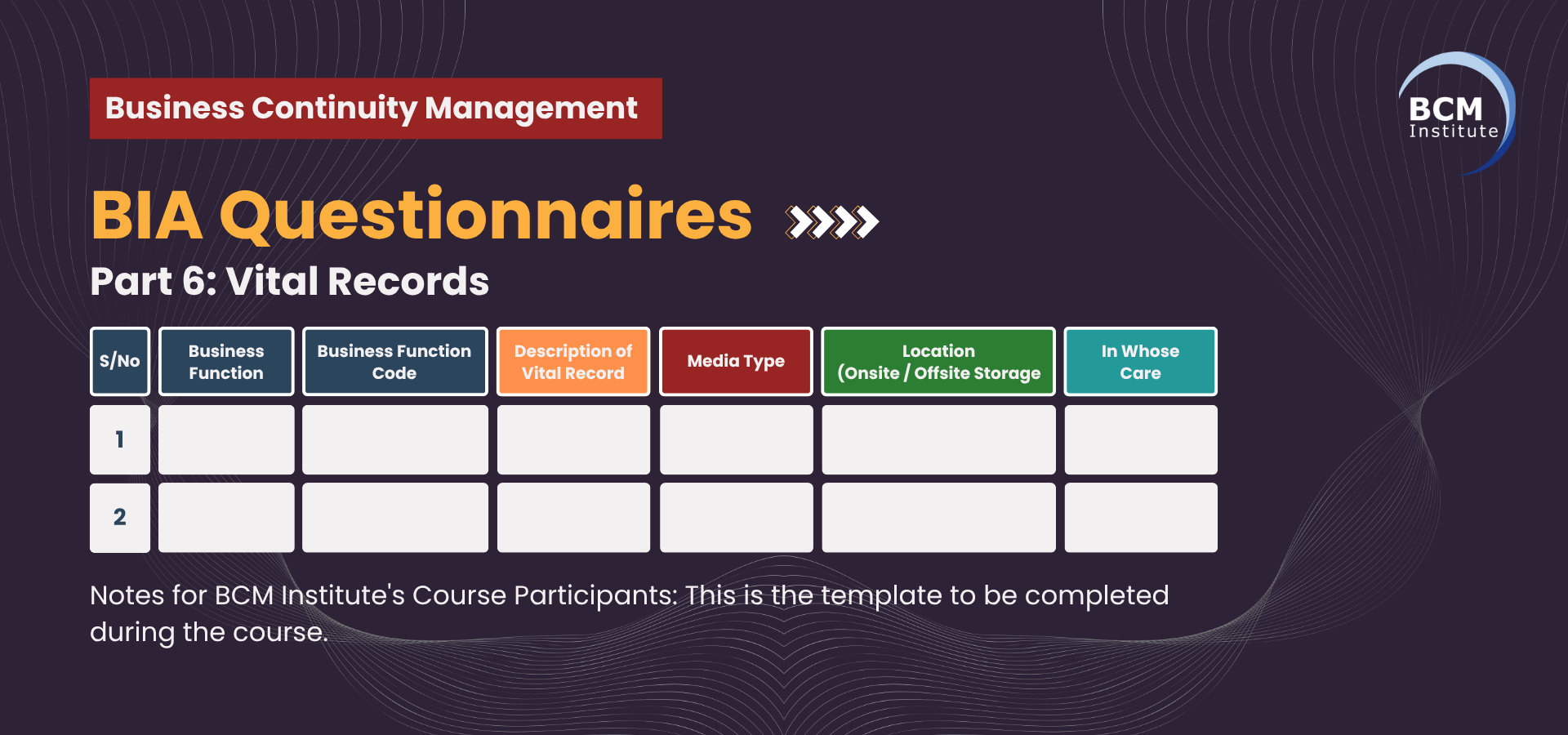
Table 7: Vital Records for CBF-2 Critical Care (Intensive Care and High Dependency)
| Sub-CBF Code | Sub-Critical Business Function | Description of Vital Records | Media Type | Location | In Whose Care |
|---|---|---|---|---|---|
| CBF-2.1 | Critical Care Admission, Triage and Bed Allocation | Admission referral, level-of-care decision, bed allocation log and daily census | Electronic | Electronic medical record; command dashboard | Critical Care Nurse Manager |
| CBF-2.2 | Continuous Physiological Monitoring and Escalation | Alarm settings, monitoring trends, escalation log and early warning scores | Database record | Monitor central station; electronic medical record | Biomedical Engineering |
| CBF-2.3 | Mechanical Ventilation and Airway Management | Ventilator settings, airway records, intubation notes and blood gas results | Hybrid (electronic and paper) | Electronic medical record; bedside chart | Intensivist in charge |
| CBF-2.4 | Haemodynamic and Organ Support | Vasoactive infusion orders, arterial pressure trends and fluid balance charts | Hybrid (electronic and paper) | Electronic medical record; bedside chart | Intensivist in charge |
| CBF-2.5 | Renal Replacement Therapy | Dialysis prescription, circuit and filter log, fluid balance and consent | Hybrid (electronic and paper) | Renal replacement machine; electronic medical record | Nephrology and Critical Care Nursing |
| CBF-2.6 | Critical Care Medication and Infusion Management | Prescriptions, medication administration record, high-alert drug checks and pump library | Hybrid (electronic and paper) | Electronic prescribing record; paper drug chart | Pharmacy |
| CBF-2.7 | Bedside Nursing Care and Infection Prevention Bundles | Daily bundle checklists, infection surveillance records and isolation status | Hybrid (electronic and paper) | Nursing documentation module; paper checklists | Infection Prevention and Control |
| CBF-2.8 | Critical Care Diagnostics and Results Review | Laboratory and imaging results, critical value call log and point-of-care test records | Electronic | Laboratory and radiology systems | Laboratory and Radiology heads |
| CBF-2.9 | Critical Patient Transfer (Intrahospital and Interhospital) | Transfer request, transport checklist, handover form and transfer log | Hybrid (electronic and paper) | Electronic medical record; transfer binder | Critical Care Nurse Manager |
| CBF-2.10 | Family Communication, Consent and End-of-Life Support | Consent forms, family meeting notes, treatment limitation decisions and next-of-kin contacts | Hybrid (electronic and paper) | Electronic medical record; locked paper file | Medical Social Services and Intensivist |
| CBF-2.11 | Patient Identification and Critical Care Documentation | Patient identity, wristband record, nursing observations and orders | Hybrid (electronic and paper) | Electronic medical record; paper chart pack | Medical Records Office |
| CBF-2.12 | Critical Care Staff Deployment, Surge and Escalation | Roster, cover list, staffing level log and handover sheets | Hybrid (electronic and paper) | Roster system; paper cover list in the nurse station | Critical Care Nurse Manager |
Observations
Most records are hybrid, meaning electronic with a paper fallback. This is deliberate. Critical care cannot wait for a system to return, so chart packs, drug charts and consent forms must be on paper at the bedside, and later reconciled into the electronic record. The reconciliation step is where errors creep in, so it is assigned to a named custodian in Chapter 10.
Protecting the Records
Three practices keep vital records usable. First, duplicate them: every electronic record has a recent backup in a separate location, and every paper record that cannot be rebuilt is scanned or copied. Second, keep a working set at the point of use: chart packs, drug charts, consent forms and wristbands are stored in each bay, so that a system failure does not leave a nurse searching. Third, control access: during a disruption, people from other units may help, and the rules on who may view or edit patient records still apply. Each custodian in the table should keep a short list of the records in their care, where the copies are and how long recovery takes.

Identifying vital records supports Business Continuity Planning by listing exactly what must be protected, copied and recoverable. Protecting them matters for regulation and for operations: a lost drug chart can mean a repeated dose, and a lost consent form can mean a legal claim.
Assigning a custodian and a storage location to each record makes protection a named duty. Good records management speeds recovery, because teams do not waste time searching or reconstructing. EGH should test retrieval of each record type at least once a year, and confirm retention periods with its legal advisers.
Continue reading: Chapter 8, Recovery Strategies for CBF-2, chooses a recovery strategy and location for each Sub-CBF and justifies the choice against its recovery time objective.





