


 Introduction
Chapter 7 mapped the dependencies of each Sub-Critical Business Function (Sub-CBF) of CBF-1 Emergency Department Services at Eastern General Hospital (EGH). This chapter identifies the vital records that each Sub-CBF needs in order to keep working, where those records are kept, and who looks after them.
Vital records are the records without which a process cannot continue or cannot be recovered safely. In an emergency department they include identity records, allergy and medication records, results, consent forms and the logs that prove what was done. Identifying them during the business impact analysis (BIA) lets the hospital protect them first and restore them first.
Records management, information governance and business continuity management (BCM) are closely linked. Records management defines what is kept and for how long, information governance protects privacy and accuracy, and BCM makes sure that the records are available when needed. Both physical and electronic records must be protected. A hospital that is digitally enabled still uses paper in a downtime, and those paper records become vital records in their own right.
The records, media, locations and custodians below are assumptions. EGH has not published its records arrangements, and the hospital should replace them with its own, aligned with ISO 15489 on records management and with the requirements of the Healthcare Services Act 2020 on medical records [verify].

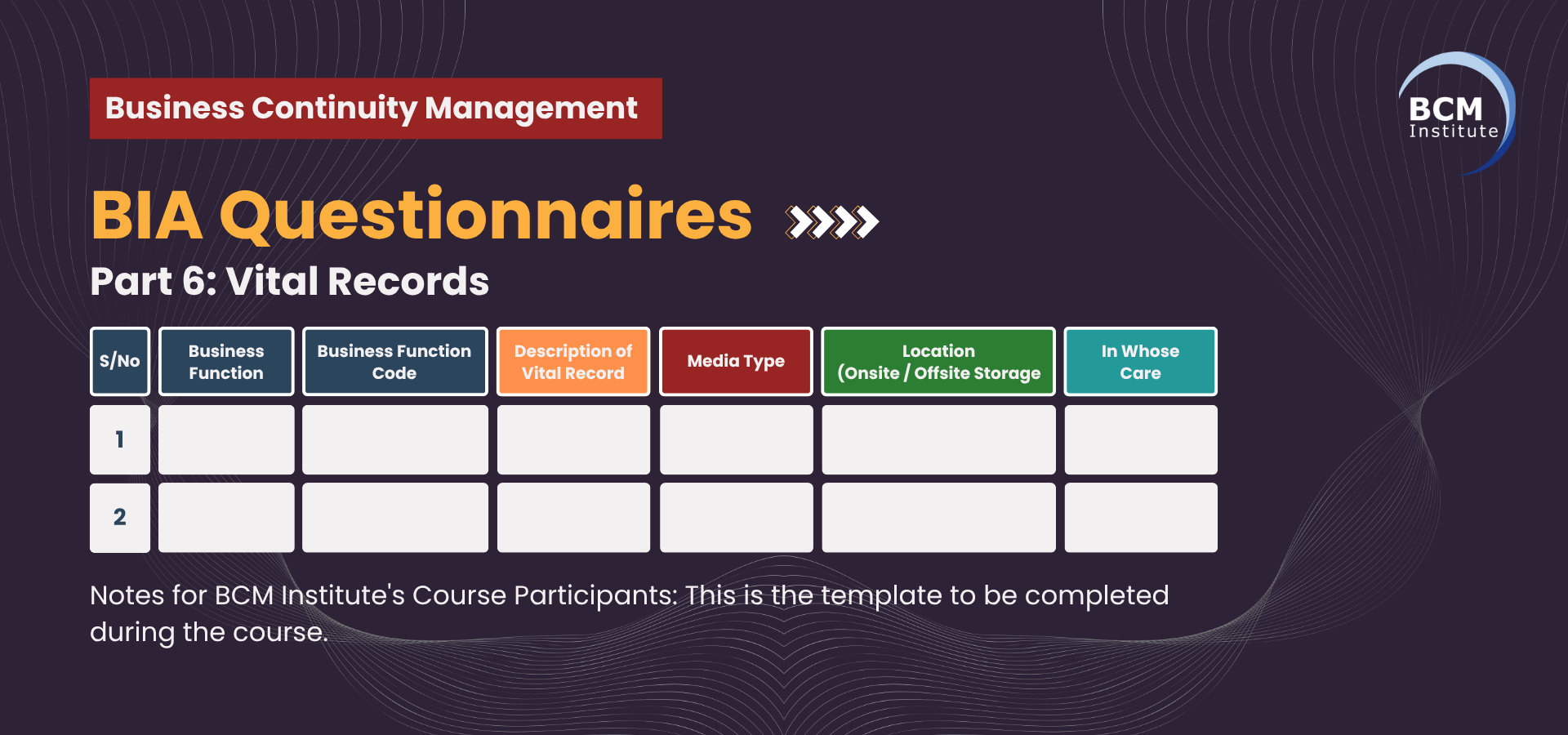
Table 9: Vital Records for CBF-1 Emergency Department Services
| Sub-CBF Code | Sub-Critical Business Function | Description of Vital Records | Media Type | Location | In Whose Care |
|---|---|---|---|---|---|
| CBF-1.1 | Ambulance Arrival and Pre-hospital Handover | Ambulance alert logs, handover forms and arrival time records | Hybrid (Electronic and Paper) | Emergency department information system; paper handover book at the ambulance bay | Emergency Department nursing leadership |
| CBF-1.2 | Triage and Registration | Triage records, priority categories, registration details and queue logs | Database Record | Emergency department information system and master patient index | Patient registration unit and digital team |
| CBF-1.3 | Resuscitation and Life-Saving Intervention | Resuscitation charts, cardiac arrest records, team call logs and equipment check logs | Hybrid (Electronic and Paper) | Emergency department information system; paper chart in the resuscitation bay | Emergency Department clinical leadership |
| CBF-1.4 | Emergency Assessment and Treatment | Clinical notes, working diagnoses, procedure records, consent forms and specialist advice | Electronic | Electronic medical record with replica at the disaster recovery site | Medical Records Unit |
| CBF-1.5 | Emergency Diagnostic Requesting and Results Review | Test requests, laboratory and imaging results and critical result call logs | Database Record | Laboratory and radiology information systems and image archive | Laboratory and Radiology Departments |
| CBF-1.6 | Emergency Medication Administration | Medication orders, administration records, controlled drug registers and allergy records | Hybrid (Electronic and Paper) | Electronic medication record; controlled drug register in the department | Pharmacy Department |
| CBF-1.7 | Infection Screening and Isolation | Screening forms, isolation records, exposure logs and outbreak notifications | Hybrid (Electronic and Paper) | Infection surveillance module; infection prevention files | Infection Prevention and Control Unit |
| CBF-1.8 | Emergency Observation and Short-Stay Care | Observation charts, early warning scores and escalation records | Hybrid (Electronic and Paper) | Electronic medical record; paper charts at the observation bays | Emergency Department nursing leadership |
| CBF-1.9 | Patient Disposition, Transfer and Family Communication | Admission, transfer and discharge records, handover forms, discharge summaries and family contact details | Electronic | Electronic medical record and bed management system | Patient flow office and Medical Records Unit |
| CBF-1.10 | Surge and Mass Casualty Response | Surge plan, mass casualty triage cards, call-out lists and command decision log | Hybrid (Electronic and Paper) | Hospital command centre; printed copy held off-site | Emergency preparedness office |
| CBF-1.11 | Patient Identification and Clinical Documentation | Patient identity records, merge logs, consent records and audit trails | Database Record | Master patient index and medical record; backup at the disaster recovery data centre | Medical Records Unit and digital team |
| CBF-1.12 | Emergency Staff Deployment and Shift Handover | Rosters, call-in lists, credential and competency records and handover sheets | Hybrid (Electronic and Paper) | Workforce management system; secure shared drive; printed copy in the department | Emergency Department administration and Human Resources |
All entries are illustrative. Seven of the 12 Sub-CBFs rely on hybrid records, which means that both an electronic and a paper version must be protected.
Protecting Vital Records
Five practices apply to almost every row and should be recorded in the records section of the Business Continuity Plan.
- Classify: mark each record as vital, important or routine, so that protection follows value.
- Duplicate: keep a second copy in a different location, such as a replica at a disaster recovery site or a sealed paper copy off-site.
- Provide offline access: make sure that allergy, medication and identity data can be read when the network is down, for example through a read-only downtime view.
- Name the custodian: record who is responsible for each record, who deputises, and who may release it in an emergency.
- Test retrieval: try to retrieve each vital record under exercise conditions and time the result.
Paper deserves special attention in a digital hospital. Downtime forms, pre-numbered identity bands and controlled drug registers are used rarely, so they are easily forgotten. They should be stocked, checked at regular intervals and replaced when they expire. After recovery, every paper record created during the downtime must be matched to the electronic record, so that the patient's file is complete and the entry is traceable.
Vital records should also be reviewed whenever a process changes. A new stroke pathway, for example, adds a time-stamped record that proves how quickly treatment started, and that record becomes vital as soon as the pathway is used. The records table should therefore be reviewed together with the process descriptions in Chapter 2.
Retention matters as well as protection. Some emergency records, such as those linked to a death, an injury claim or a regulatory investigation, must be kept for longer than routine records. The medical records unit should mark these records so that the backup and archive routines treat them correctly, and the retention periods should be confirmed with legal advisers [verify].
Privacy also applies in a disruption. Records should be protected from unauthorised access when staff work in alternate areas, and any copy taken for the disruption should be tracked and destroyed or returned when the disruption ends. Compliance with personal data protection rules continues to apply [verify].

Identifying vital records supports Business Continuity Planning because it tells the recovery team what to protect, back up and restore first. Protecting them is essential for regulatory compliance and for continuity of care: a lost allergy record or a missing consent form can cause harm, delay treatment and expose the hospital to legal claims.
Good records management contributes to recovery by shortening the time needed to rebuild a picture of what happened. Assigning custodians matters because a record that belongs to everyone is protected by no one. Each custodian should know where the record is, how it is backed up, how it is accessed in a downtime and how it is returned to its normal place after recovery.
A simple test shows whether the arrangements work. A senior nurse is asked to find, within ten minutes, the allergy record of a named test patient while the network is down. If the nurse cannot, the downtime view, the paper copy or the training is not good enough, and the gap goes onto the improvement list.
Secure storage locations, tested restoration and clear custody strengthen resilience and support long-term information governance. EGH should confirm the custodians with its medical records and legal teams, and should test the retrieval of each vital record in an exercise.
Continue reading: Chapter 9, Recovery Strategies for CBF-1, sets a recovery strategy, location and justification for each Sub-CBF.







